The rapid expansion of LNG infrastructure has made
5G oil and gas connectivity a strategic priority for terminal operators. As new liquefaction trains come online and existing terminals expand capacity, operators must manage more sensors, more data and higher safety expectations than ever before.
Traditional wired networks and legacy polling models cannot keep up with these demands. To compete in today’s market, LNG operators need deterministic connectivity, real-time visibility and a modern data architecture built for scale.
This article explores how private 5G, edge intelligence and MQTT work together to eliminate data blind spots in LNG terminal operations — and why this approach is becoming foundational to 5G oil and gas deployments worldwide.
Why 5G Oil and Gas Is Critical for LNG Growth
Global LNG capacity is increasing at a record pace. Operators are expanding brownfield facilities and building greenfield terminals to meet rising export demand. With this growth comes new complexity:
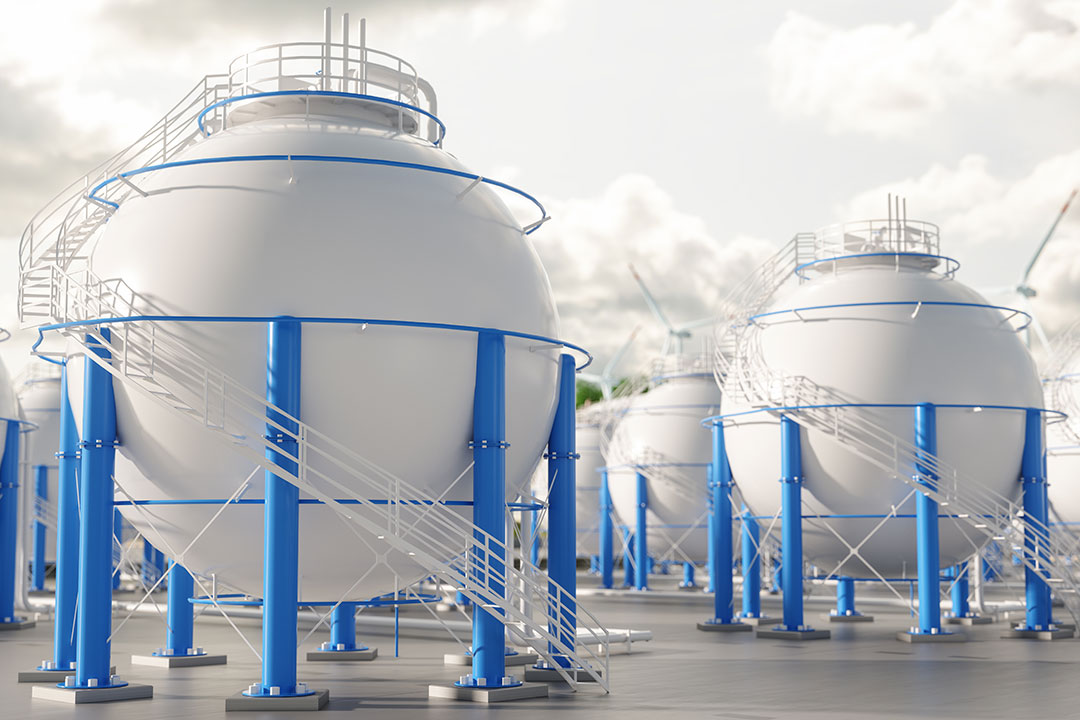 Larger tank farms and marine berths
- Expanded liquefaction trains
- Stricter environmental and safety standards
- Higher expectations for production optimization
Each expansion adds thousands of new data points. Operators rely on this data for safety monitoring, predictive maintenance and custody transfer accuracy. Yet many terminals still depend on SCADA systems designed decades ago, where devices are polled every 10 or 15 minutes.
In a modern LNG environment, that is not enough.
5G oil and gas architectures enable continuous, high-resolution data collection. Instead of periodic polling, devices report by exception using MQTT, sending data when conditions change. This shift provides real-time operational awareness without overwhelming the network.
Where Data Blind Spots Occur in LNG Terminals
Even well-run facilities often struggle with visibility gaps. These blind spots typically appear in areas such as:
- Remote tank farms located far from control rooms
- Marine loading berths exposed to weather and salt air
- Temporary construction zones during expansion projects
- Hazardous areas where running conduit is expensive and disruptive
Wired infrastructure in these locations is costly and slow to deploy. In brownfield sites, adding new cabling may require regulatory approvals and shutdown windows.
Private 5G changes the economics. With a small number of industrial access points, operators can create a secure wireless overlay across the entire facility. This “digital canopy” supports sensors, cameras and worker devices without trenching, conduit or repeated retrofits.
For LNG operators pursuing 5G oil and gas strategies, this wireless overlay becomes the foundation for eliminating blind spots.

MQTT and Edge Intelligence: Turning Data Into Outcomes
Collecting more data only creates value if the data is usable. Many LNG terminals struggle with inconsistent tag names, vendor-specific protocols and siloed applications competing for access to the same devices.
A modern 5G oil and gas architecture uses edge computing to normalize and contextualize data before it enters enterprise systems.
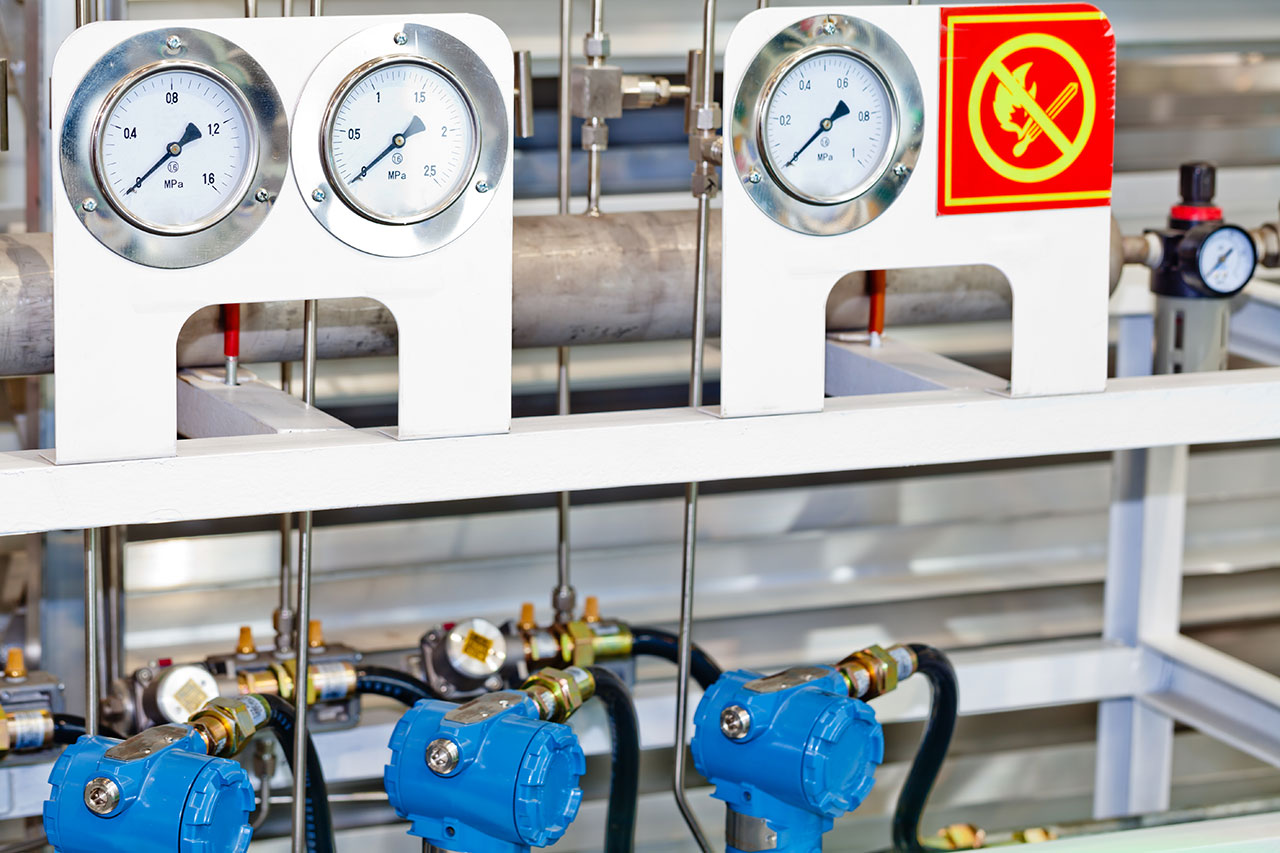 Instead of allowing multiple applications to poll the same sensor independently, edge software can:
- Poll devices at high frequency
- Convert protocols into MQTT or OPC UA
- Normalize tag names across systems
- Publish data to a shared broker
This approach delivers one consistent stream of operational data to SCADA, historians, analytics platforms and AI models.
High-resolution data also enables new use cases that were previously impractical. For example:
- Monitoring compressor vibration waveforms
- Using thermal cameras for automated leak detection
- Detecting abnormal flow patterns in seconds instead of minutes
- Feeding predictive maintenance models with granular data
When networks provide low latency and guaranteed delivery, the system supports advanced analytics without becoming the bottleneck.
Real-Time Safety in 5G Oil and Gas Environments
Safety is always the top priority in LNG operations. Hazardous zones, cryogenic processes and flammable gases require constant vigilance.
 Historically, many safety systems were reactive. Gas detectors triggered local alarms. Cameras recorded footage for post-incident review. PPE compliance checks occurred at entry points.
Private 5G and edge intelligence enable a shift to real-time safety management.
For example, operators can:
- Connect body-worn gas detectors through certified smartphones
- Track worker location within hazardous zones
- Push real-time alerts to mobile devices
- Use AI-enabled cameras to detect PPE violations
- Dynamically update muster points during an incident
Hydrogen sulfide (H2S) monitoring illustrates this shift. Traditional personal gas detectors sound loud alarms to warn nearby workers. With connected systems, operators can also see exposure data instantly, identify affected personnel and coordinate response efforts in real time.
This transformation from reactive to proactive safety management is one of the strongest drivers behind 5G oil and gas adoption.
Custody Transfer: The Digital Cash Register
In LNG operations, custody transfer represents the financial core of the facility. Each cargo can represent tens of millions of dollars in product value.
Accurate custody transfer depends on:
- High-resolution flow measurements
- Temperature compensation
- Tank level monitoring
- Deterministic data delivery
If communications fail or data arrives late, operators risk billing disputes, reconciliation errors and revenue loss.
A 5G oil and gas architecture provides deterministic performance with low latency and resilient connectivity. Combined with edge processing and secure data handling, this ensures accurate measurement records and reliable reporting.
In high-volume LNG environments, even small improvements in measurement precision can translate into significant financial impact across multiple facilities.
Brownfield vs. Greenfield: Different Paths to the Same Goal
Most LNG operators today manage a mix of brownfield expansions and new builds. Each scenario benefits from 5G oil and gas infrastructure in different ways.
Brownfield sites often struggle with:
- Multiple legacy panels and radios
- Duplicated infrastructure across departments
- Vendor lock-in
- Limited bandwidth
Private 5G enables consolidation. Operators can replace overlapping communication systems with a unified, high-capacity wireless backbone.
Greenfield projects allow operators to design connectivity from the start. By reducing conduit, cabling and junction boxes, private 5G can lower capital costs while increasing sensor density.
In both cases, the goal remains the same: standardized, contextualized data delivered over a resilient communications foundation.
Building a Scalable 5G Oil and Gas Foundation
 Artificial intelligence, digital twins and advanced optimization models depend on clean, contextualized data. Without consistent naming, reliable transport and secure connectivity, AI initiatives fail to deliver value.
A strong 5G oil and gas strategy includes:
- A private 5G network for deterministic, interference-free connectivity
- Edge computing to normalize and contextualize data
- MQTT-based data distribution for efficient, real-time reporting
- Secure remote management and lifecycle support
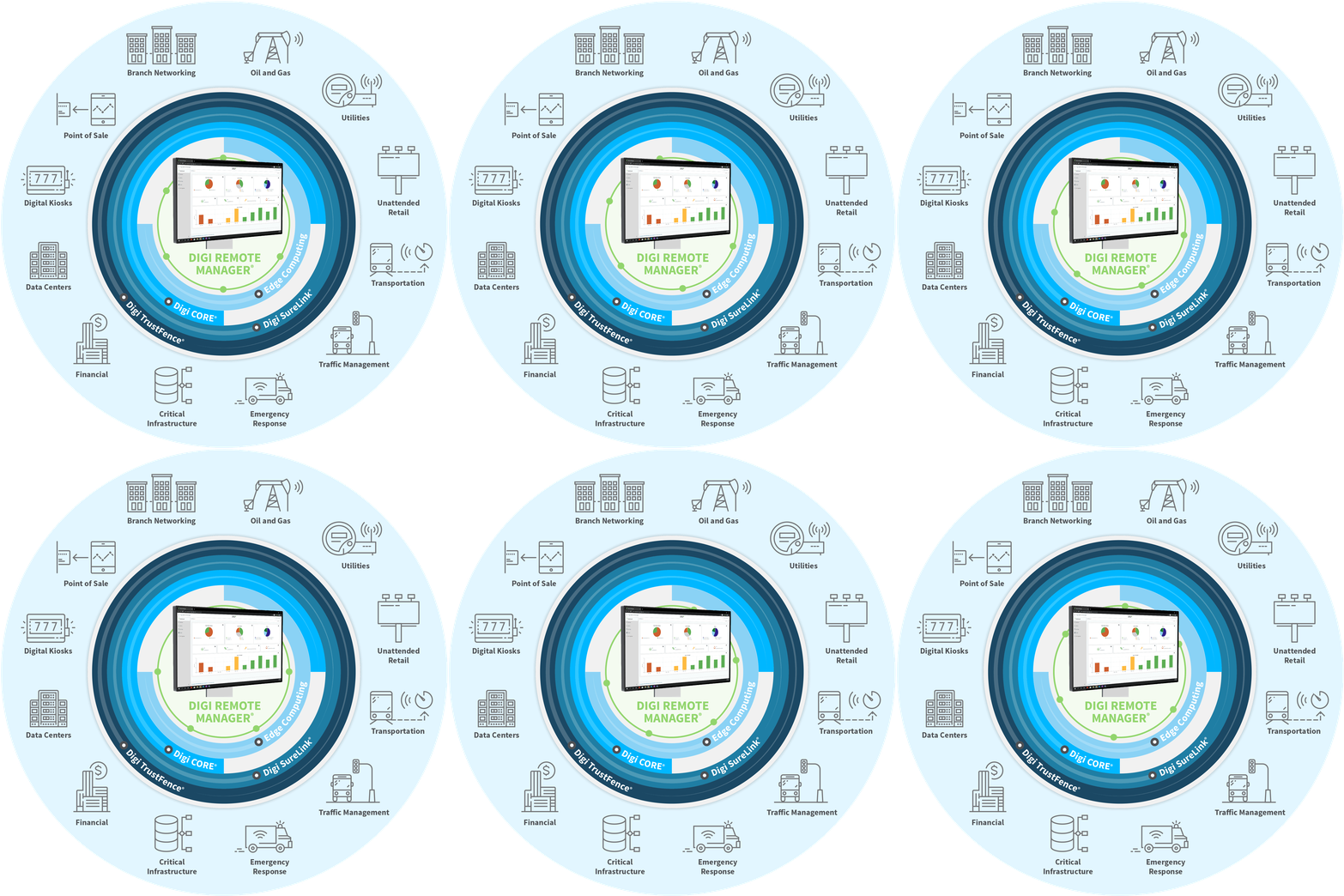
Digi International Inc. supports this foundation with complete IoT solutions — including secure, industrial edge computing connectivity devices like Digi IX25 and Digi IX40, remote management through Digi Remote Manager, lifecycle services and long-term support. With Digi Remote Manager, operators can monitor, configure and update distributed infrastructure across LNG terminals from a centralized platform.
This unified approach reduces operational complexity while accelerating deployment timelines.
The Future of 5G Oil and Gas in LNG Operations
As LNG demand grows, terminal operators must deliver higher throughput, tighter safety controls and stronger financial accountability. Traditional architectures cannot scale to meet these expectations.
Private 5G, edge intelligence and MQTT provide a practical path forward. Together, they eliminate data blind spots, improve production efficiency and strengthen real-time safety management.
For LNG operators evaluating 5G oil and gas initiatives, the message is clear: build the data foundation first. With deterministic connectivity and contextualized data in place, advanced analytics and AI become achievable — and scalable — across the entire facility.
FAQ: 5G Oil and Gas Connectivity in LNG Terminal Operations
What is 5G oil and gas connectivity in LNG terminals?
5G oil and gas connectivity refers to the use of private 5G networks to deliver secure, low-latency, and high-bandwidth communication across LNG facilities. It enables real-time data collection from sensors, equipment, and safety systems, replacing outdated polling-based networks with continuous data visibility.
Why is 5G important for LNG terminal operations?
5G is critical because LNG terminals are rapidly expanding, increasing the number of connected devices and data points. Traditional SCADA systems cannot handle this scale efficiently. Private 5G enables real-time monitoring, improves operational efficiency, and supports advanced analytics and safety systems.
How does private 5G eliminate data blind spots in LNG facilities?
Private 5G creates a wireless “digital canopy” across the terminal, allowing operators to connect remote or hard-to-wire areas like tank farms, marine berths, and hazardous zones. This eliminates gaps in visibility without the cost and disruption of installing new wired infrastructure.
What role does MQTT play in 5G oil and gas architecture?
MQTT is a lightweight messaging protocol that enables devices to send data by exception rather than on a fixed polling schedule. This reduces network congestion and ensures that critical data is delivered in real time when conditions change.
How does edge computing improve LNG data management?
Edge computing processes and standardizes data locally before sending it to enterprise systems. It normalizes tag names, converts protocols, and publishes clean data streams, enabling consistent integration across SCADA, historians, and analytics platforms.
How does 5G improve safety in LNG operations?
Private 5G enables real-time safety monitoring by connecting wearable devices, gas detectors, and AI-enabled cameras. Operators can track worker locations, detect hazards instantly, and respond proactively instead of relying on reactive safety systems.
What is custody transfer in the oil and gas industry, and why does connectivity matter?
Custody transfer in oil and gas is the measurement and reporting of LNG volumes during transactions, often worth millions per shipment. Reliable, low-latency connectivity ensures accurate data capture, reducing billing disputes and revenue loss.
How does 5G support predictive maintenance in LNG facilities?
With high-resolution, real-time data from sensors, 5G enables predictive maintenance models to detect anomalies early. This allows operators to monitor equipment like compressors and pipelines more accurately and prevent costly failures.
What are the benefits of 5G for brownfield vs. greenfield LNG projects?
- Brownfield sites: 5G helps consolidate legacy systems and eliminate redundant infrastructure.
- Greenfield projects: 5G reduces cabling costs and allows higher sensor density from the start.
In both cases, it provides a scalable and flexible connectivity foundation.
What are the core components of a 5G oil and gas architecture?
A modern architecture typically includes:
- Private 5G network for reliable connectivity
- Edge computing for data normalization
- MQTT for real-time data distribution
- Remote management for monitoring and updates
How does 5G enable AI and digital transformation in LNG operations?
AI and digital twins require clean, contextualized, and real-time data. 5G provides the deterministic connectivity and data consistency needed to support advanced analytics and scalable digital transformation initiatives.
What are the biggest challenges with traditional LNG connectivity systems?
Legacy systems rely on:
- Intermittent polling (every 10–15 minutes)
- Limited bandwidth
- Siloed data sources
These limitations create delays, inefficiencies, and blind spots that modern 5G architectures resolve.
How can LNG operators start implementing 5G oil and gas solutions?
Operators should begin by building a strong data foundation:
- Deploy a private 5G network
- Implement edge computing for data normalization
- Use MQTT for efficient data flow
- Enable centralized remote management
This approach ensures scalability and long-term success.
Next Steps