Technology is changing how farmers monitor crops, manage water, operate machinery, and respond to changing field conditions. Instead of applying the same treatment across an entire field, precision agriculture helps growers use detailed data to make decisions for individual fields, zones, or plants.
The U.S. Department of Agriculture describes precision agriculture as an approach that applies the right resources in the right place at the right time. Sensors, GPS, wireless networks, automated equipment, cloud platforms, and analytics help farmers determine how much water, fertilizer, pesticide, labor, or energy is needed in a specific location.
Adoption continues to expand. USDA data from 2023 shows that guidance and autosteering systems were used by 70 percent of large-scale crop-producing farms, while 68 percent used yield monitors, yield maps, or soil maps. (Economic Research Service)
Quick Answer: How Is IoT Used in Precision Agriculture?
The Internet of Things supports precision agriculture by connecting field sensors, machinery, irrigation equipment, weather stations, cameras, and control systems. These connected devices collect and transmit data so farmers can monitor conditions remotely, automate routine operations, apply resources more precisely, and respond quickly to weather, equipment, or crop-related problems.
What Is Precision Agriculture?
Precision agriculture, also called precision farming or smart farming, is the use of data and technology to manage agricultural operations according to actual conditions in specific locations.
Traditional farming practices may apply water, fertilizer, or crop protection products uniformly across a field. Precision farming technology enables growers to account for differences in soil, moisture, weather, plant health, and crop development.
A precision agriculture system may include:
- Soil moisture, temperature, humidity, and nutrient sensors
- GPS and satellite positioning
- Weather and microclimate monitoring stations
- Wireless mesh, cellular, or long-range RF connectivity
- Cameras, drones, and satellite imagery
- Automated pumps, valves, sprayers, and feeding systems
- Cloud-based agricultural data platforms
- Mobile dashboards, alerts, and remote controls
- Analytics for irrigation, planting, harvesting, and equipment allocation
These technologies help farmers move from generalized schedules and estimates to decisions based on current field data.
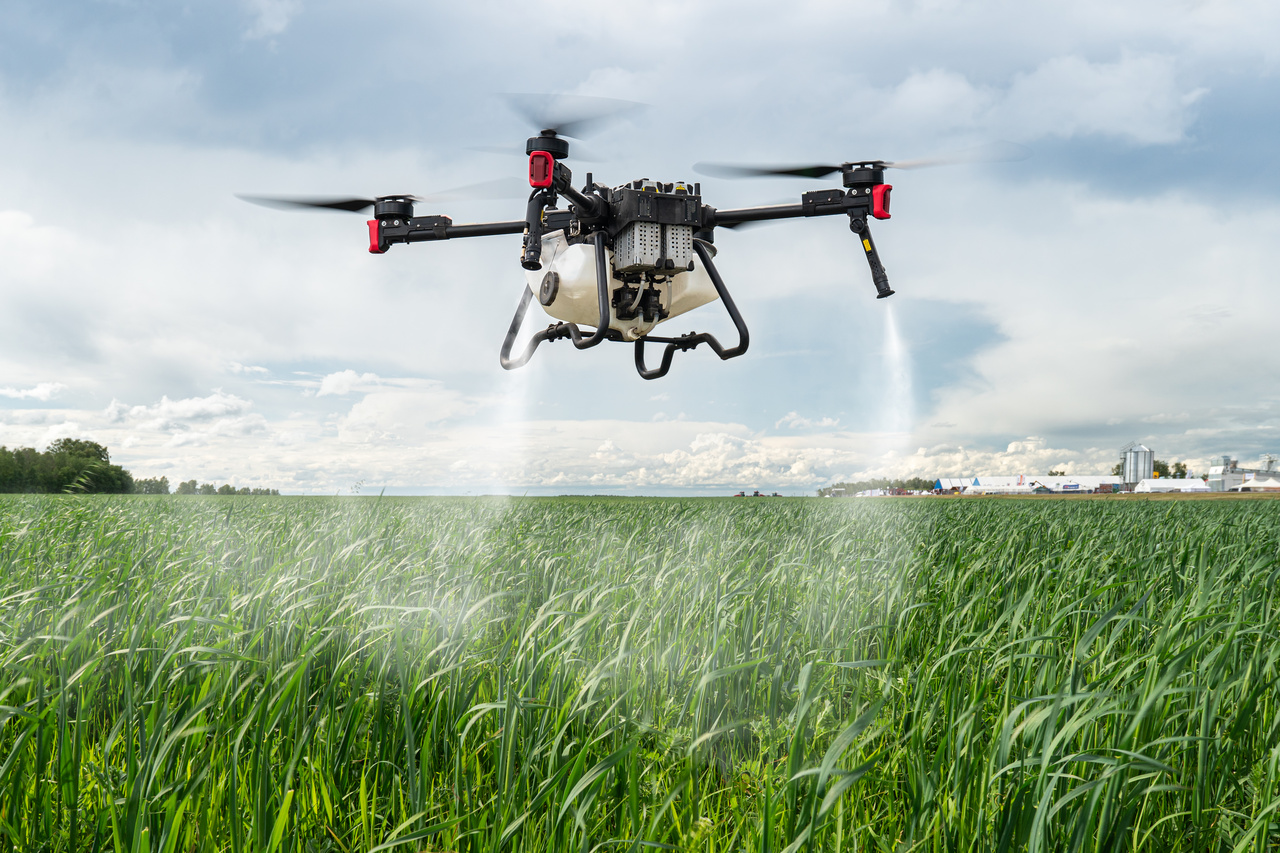
How IoT Enables Precision Farming
An agricultural IoT solution typically includes four interconnected layers.
1. Sensors and Connected Equipment
Sensors collect information about soil moisture, rainfall, temperature, humidity, wind, plant activity, tank levels, equipment status, and other conditions. Connected controllers can also operate pumps, valves, irrigation equipment, fans, feeders, or other agricultural systems.
2. Wireless Farm Connectivity
Wireless connectivity moves data from the field to a gateway, control room, cloud platform, or mobile application. Depending on the application, this may involve cellular networks, RF mesh networking, Wi-Fi, or long-range low-power communications.
Agricultural networks must often cover large areas while operating around vegetation, terrain, buildings, machinery, and limited access to power.
3. Data Processing and Analytics
Cloud and edge applications convert sensor readings into useful information. Farmers can view trends, compare actual performance with production plans, receive alerts, and determine when intervention is needed.
4. Automation and Remote Management
Connected control systems can automatically modify irrigation schedules, activate equipment, adjust applications, or alert personnel. Remote device management also helps operators monitor network health, update configurations, and troubleshoot deployed equipment without traveling to every location.
Digi agriculture solutions support applications such as irrigation control, bin and tank monitoring, farm automation, greenhouse management, livestock monitoring, equipment connectivity, and environmental sensing.
Common IoT Applications for Precision Agriculture
Precision agriculture IoT applications can support nearly every stage of agricultural production.
Precision Irrigation
Soil moisture sensors, weather data, plant measurements, and connected irrigation controls help farmers determine when, where, and how much water to apply. This can reduce unnecessary water and energy consumption while protecting crops from under-watering or over-watering.
Crop and Soil Monitoring
Sensors can continuously measure moisture, temperature, humidity, nutrient conditions, and other variables. Historical and real-time data gives farmers a clearer understanding of how conditions are changing throughout a growing season.
Agricultural Equipment Management
Connected machinery can report its position, activity, speed, idle time, fuel usage, and productivity. Farm managers can use this information to coordinate tractors, harvesters, sprayers, and transport vehicles more efficiently.
Weather and Microclimate Monitoring
Conditions can vary significantly across large agricultural operations. Distributed weather stations help farmers monitor rainfall, wind, frost risk, heat, humidity, and other field-level conditions instead of relying exclusively on regional forecasts.
Farm Automation
Connected controllers can operate pumps, valves, gates, fans, feeders, generators, and other equipment. Automation reduces the need for manual visits and helps operations respond faster to changing conditions.
Remote Monitoring and Alerts
Farm managers can receive notifications about frost, leaks, low tank levels, equipment failures, abnormal temperatures, or irrigation problems. Early alerts can help prevent crop loss, water waste, and unplanned downtime.
Seven Examples of IoT in Precision Agriculture
The following precision agriculture examples demonstrate how connected technology is being used to improve irrigation, machinery coordination, environmental monitoring, and farm management.
1. Hexagon Coordinates Agricultural Machinery and Field Operations
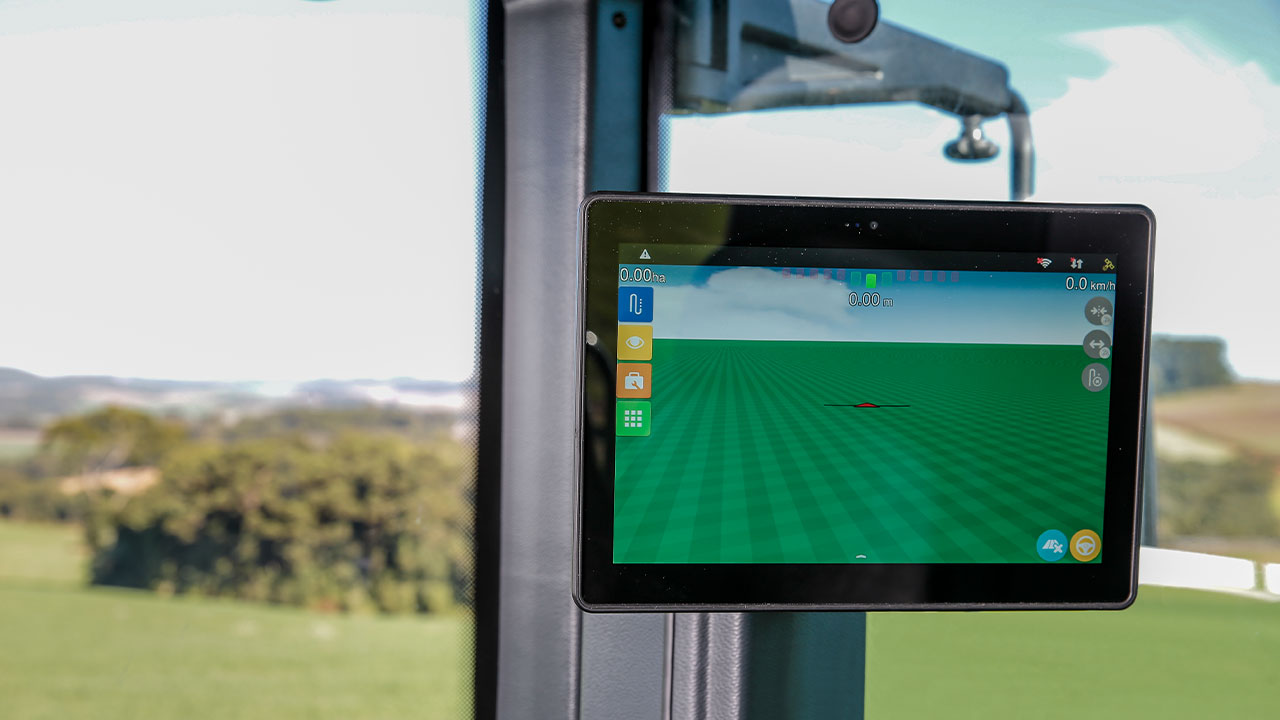
Hexagon's Agriculture Division provides precision agriculture tools for auto steering, controlled spraying, fleet allocation, and traffic optimization.
Its HxGN AgrOn Control Room gives farming and forestry operations a centralized view of machinery, tasks, routes, and production activity. Displays and sensors installed on tractors, harvesters, and trucks capture information such as machine location, speed, stops, maneuvers, application effectiveness, and the amount planted or harvested.
Digi XBee modules and DigiMesh networking enable machines and displays to exchange information across the field. Data can then move through a gateway and into the AgrOn platform for analysis.
Hexagon reports that this visibility helps agricultural operations coordinate machinery, reduce idle time, optimize routes, and respond to performance issues. Its customer story cites improvements including a 1.5 percent increase in harvester efficiency, a 4 percent reduction in fuel consumption, and a 3 percent reduction in maintenance costs. (Digi)
Precision agriculture applications demonstrated:
- Agricultural fleet management
- Auto steering and machine control
- Equipment location and activity monitoring
- Route and traffic optimization
- Planting, spraying, fertilizing, and harvesting coordination
2. Origo.ag Monitors Weather and Controls Remote Farm Equipment
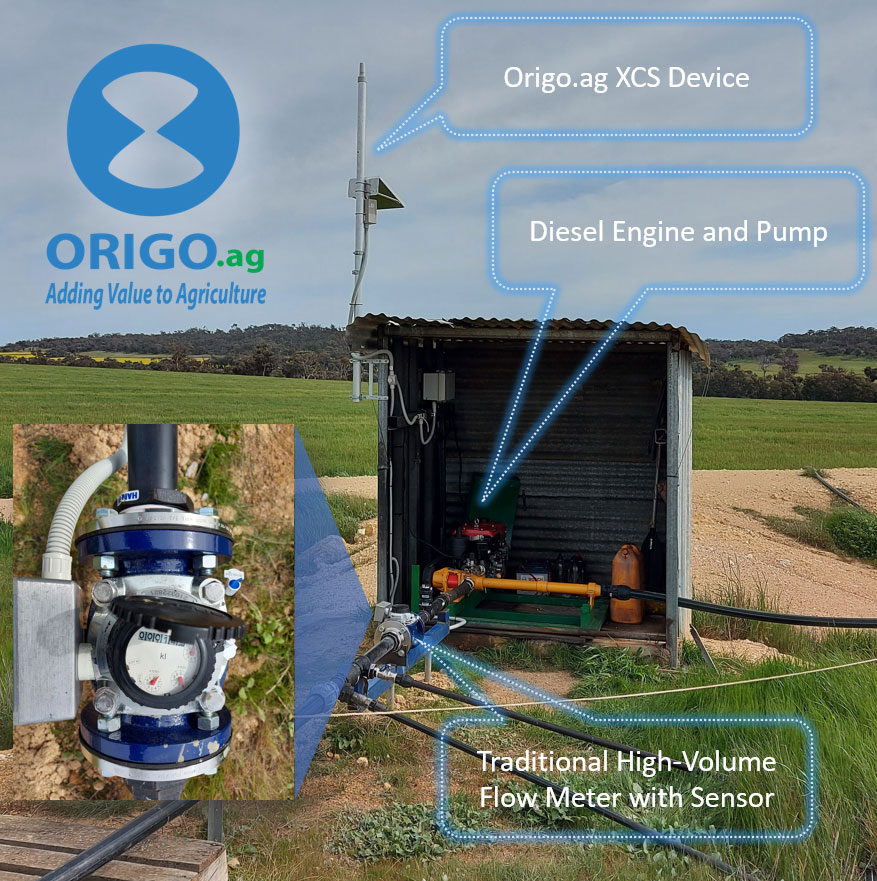
Origo.ag develops agricultural IoT solutions for broadacre farming and livestock operations across Australia.
Its networked weather, climate, and soil stations monitor temperature, humidity, rainfall, wind, frost risk, fire danger, soil moisture, and solar radiation. Cameras can monitor livestock or provide time-lapse images of crop development.
The system also supports remote control. Farmers can use connected devices to operate pumps, generators, desalination equipment, valves, flow controls, and feeders.
Digi XBee modules configured with DigiMesh connect distributed stations and controls across large farming areas. The mesh architecture can relay messages across multiple devices, providing a scalable and self-healing network for remote agricultural environments.
Farmers access information through the Origo XDASH platform, which displays current conditions, historical trends, tank levels, and equipment status. Origo reports that data can move from a station to a farmer's phone or computer within seconds, enabling faster decisions and remote control of critical equipment.
Precision agriculture applications demonstrated:
- Local weather and microclimate monitoring
- Frost and fire risk monitoring
- Soil moisture measurement
- Tank and livestock trough monitoring
- Remote pump, valve, and feeder control
3. IRROMETER Connects Soil Moisture Sensors to the Cloud
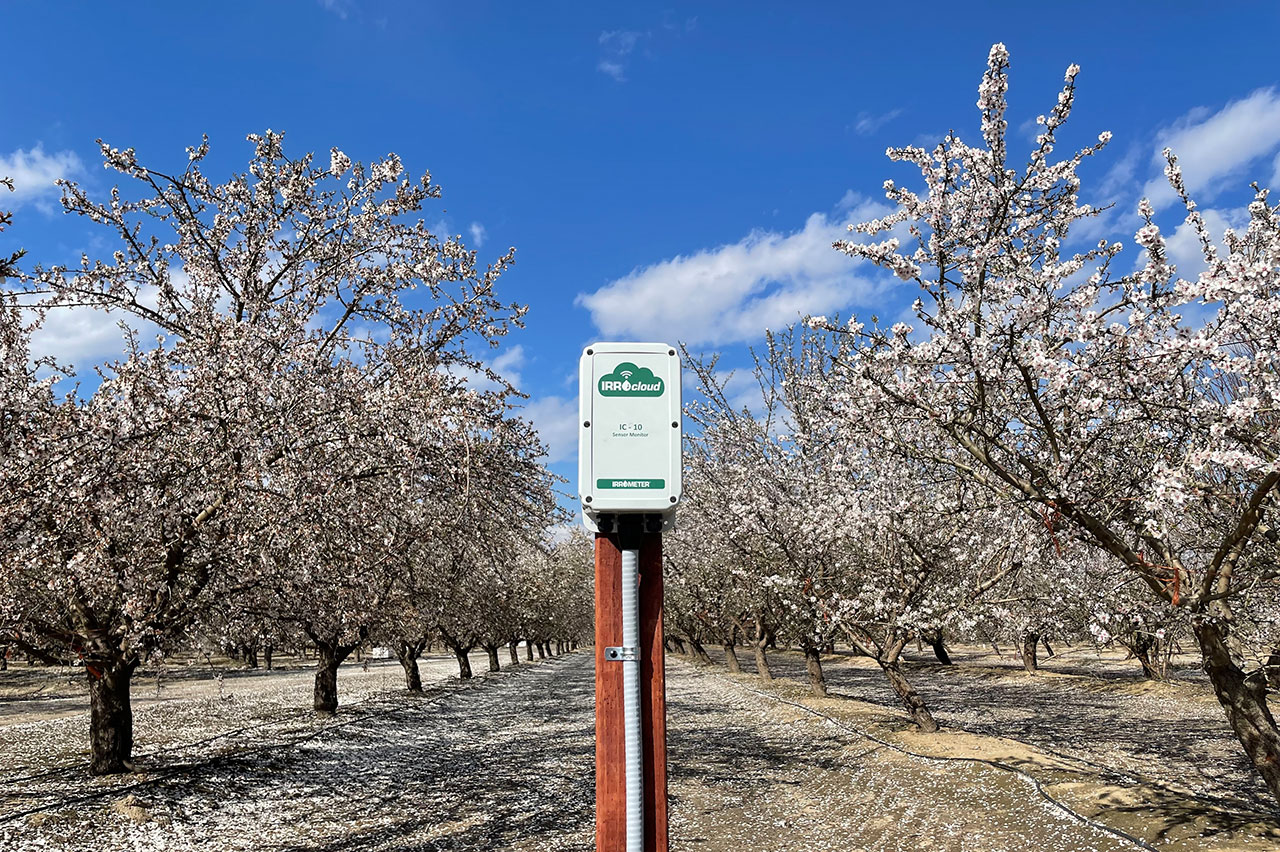
IRROMETER provides soil moisture sensors that help growers determine when, where, and how much to irrigate.
Its tensiometers, WATERMARK sensors, and data loggers collect moisture readings from the crop root zone. The IRROMETER IC-10 Sensor Monitor uses Digi XBee 3 Cellular modems and LTE-M connectivity to transmit this information to IRROcloud.
Farmers can access real-time readings, historical data, averages, visualizations, and seasonal trends through the cloud application. The platform can also share sensor information with other agricultural applications through an API.
The cellular design eliminates the need to manually retrieve readings from individual sensors. It also enables deployments in areas where a local Wi-Fi or wired network is unavailable.
IRROMETER reports that its IC-10 devices record moisture levels hourly, transmit readings every two hours, and can operate for more than two years without a battery replacement. The solution helps growers reduce pumping costs, truck rolls, energy use, nitrate leaching, and unnecessary irrigation.
Precision agriculture applications demonstrated:
- Root-zone soil moisture monitoring
- Cellular agricultural sensor connectivity
- Cloud-based irrigation planning
- Historical moisture analysis
- Frost alerts and remote notifications
4. Dynamax Measures Plant Sap Flow to Fine-Tune Irrigation
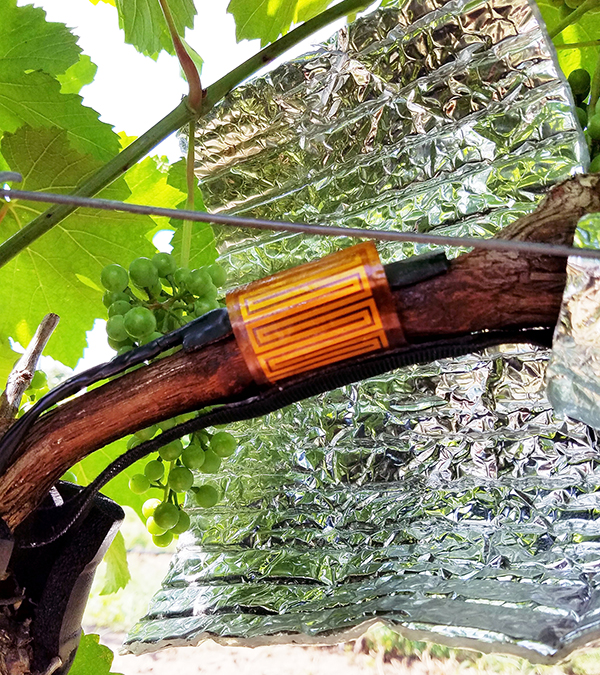
Dynamax develops plant-monitoring instruments that measure the relationship between plants, soil, water, wind, and solar conditions.
Its SapIP-TDP Sap Velocity system measures transpiration, which is the movement of water from the soil through a plant's roots, stems, and leaves. This plant-level data helps growers understand how much water crops are actually using.
Each SapIP node can connect to multiple sap velocity probes. Digi XBee SX 900 MHz RF modules transmit readings to a gateway, which sends the information to the Dynamax AgriSensors dashboard. Digi Remote Manager provides centralized visibility into deployed gateways and network connectivity.
The system takes frequent readings, aggregates the measurements, and presents the results through dashboards and irrigation recommendations. Dynamax reports that approximately 200 viticulturists use the solution to understand grapevine health and water requirements. Growers can use the data to balance crop yield, fruit quality, flavor development, and water consumption.
Precision agriculture applications demonstrated:
- Plant-level water-use monitoring
- Sap flow and transpiration measurement
- Irrigation recommendations
- Vineyard and high-value crop management
- Remote agricultural network management
5. CropX Uses Soil Data to Optimize Irrigation by Field Zone
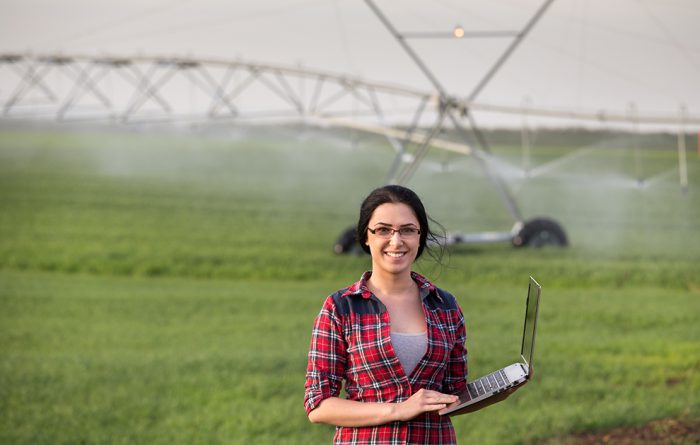
CropX developed an irrigation solution that combines soil sensors, wireless communications, cloud analytics, and a mobile application.
Sensors placed in the ground capture information about field and soil conditions. Wireless connectivity sends the data to the cloud, where CropX software analyzes variations across the field.
Instead of irrigating every area at the same rate, the system determines how much water specific field zones need. Farmers can view irrigation maps, review system status, and modify settings from a mobile or web interface.
In the Digi customer story, CropX reported irrigation water savings of 10 to 20 percent in large fields.
Precision agriculture applications demonstrated:
- Zone-based irrigation management
- Soil condition analysis
- Automated irrigation adjustments
- Mobile farm management
- Agricultural water conservation
6. WiseConn Automates Irrigation Across Distributed Fields
WiseConn developed DropControl to help growers monitor and control irrigation systems across large agricultural operations.
Wireless nodes connect to soil moisture sensors, weather stations, wells, pumps, and valves. A DigiMesh network carries information between nodes and a central gateway, allowing the system to operate across widely distributed fields.
Farmers can use the DropControl application to evaluate soil and weather conditions, determine appropriate irrigation volumes, and remotely activate or calibrate pumps and valves.
The Digi customer story reports deployments at 1,500 sites covering 50,000 acres for 300 agricultural operations. WiseConn also reported water savings of up to 30 percent for customers using the system.
Precision agriculture applications demonstrated:
- Distributed irrigation control
- Pump and valve automation
- Well and soil moisture monitoring
- Long-range agricultural mesh networking
- Data-driven irrigation scheduling
7. Ranch Systems Centralizes Farm Monitoring and Control
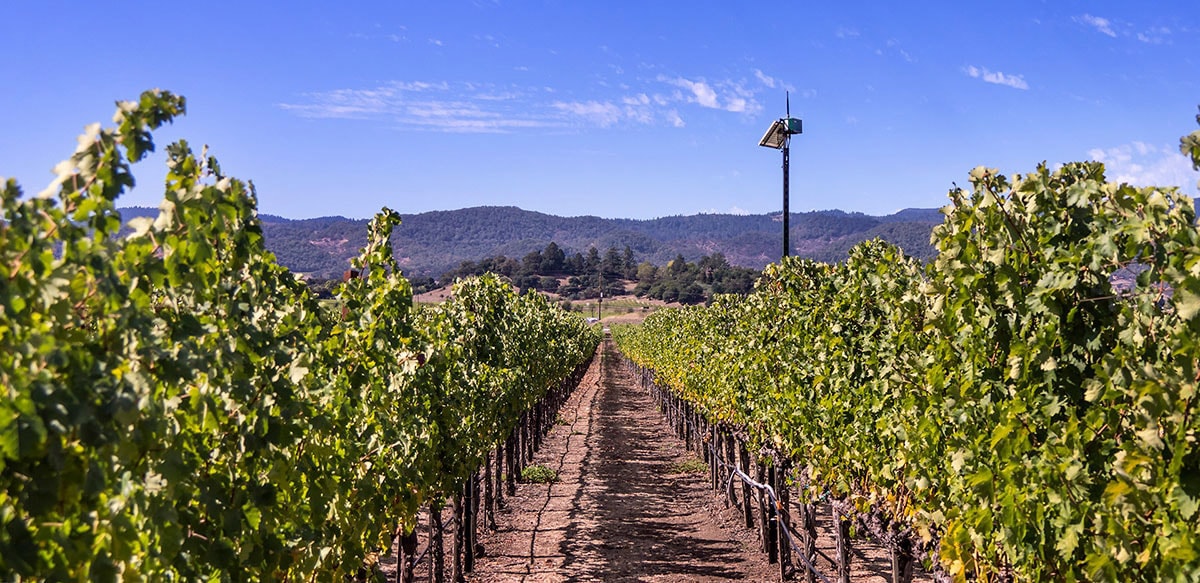
Ranch Systems provides wireless monitoring and automation solutions for vineyards, orchards, and other farms producing high-value crops.
Its RanchMaster platform combines six application areas:
- Weather and climate monitoring
- Soil moisture monitoring
- Irrigation control
- Tank and pond monitoring
- Remote cameras
- Alerts and notifications
Sensors and controllers collect field data and operate equipment such as irrigation pumps, engines, tanks, and valves. Digi XBee wireless modules connect the devices across the farm, while cellular connectivity sends aggregated information to a central server.
This centralized approach replaces isolated systems with one platform for monitoring conditions and coordinating agricultural operations. Ranch Systems reported more than 5,000 deployed stations serving more than 1,000 farming customers worldwide.
Precision agriculture applications demonstrated:
- Vineyard and orchard monitoring
- Irrigation and fertilizer management
- Frost and heat alerts
- Remote tank, valve, and pump control
- Farm-wide automation
Benefits of IoT-Based Precision Agriculture
The value of agricultural IoT extends beyond collecting more data. A properly designed system helps turn that data into timely action.
More Efficient Water Use
Soil, weather, and plant sensors help growers apply water according to actual crop needs. Automated irrigation controls can respond to changing conditions without waiting for a manual inspection.
Higher Crop Yields and Quality
More precise control over irrigation, fertilization, machinery, and environmental conditions helps farmers maintain the conditions required for healthy crop development.
Lower Labor and Operating Costs
Remote monitoring reduces the time spent driving to fields, inspecting equipment, collecting sensor readings, or manually changing controls.
Faster Response to Problems
Alerts can notify operators about frost, excessive heat, leaks, low tank levels, machinery problems, or unexpected changes in soil moisture.
Improved Equipment Utilization
Tracking machinery location, activity, idle time, and productivity helps managers coordinate fleets and reduce wasted fuel or labor.
More Sustainable Farming Practices
Precision applications can reduce unnecessary water, fertilizer, pesticide, energy, and fuel use. USDA research indicates that site-specific applications can reduce costs while minimizing environmental and ecological impacts.
What Should Farmers and Agricultural Technology Developers Consider?
A successful precision agriculture deployment requires more than selecting a sensor or communications module. Important considerations include:
- Coverage: The network must reach sensors, machines, and controls across the full operating area.
- Power consumption: Remote devices may depend on batteries or solar power for months or years.
- Environmental durability: Hardware may be exposed to moisture, dust, chemicals, vibration, heat, and freezing temperatures.
- Interoperability: New devices may need to connect with existing pumps, valves, controllers, machines, and software.
- Security: Data and remote controls must be protected from unauthorized access or modification.
- Scalability: The architecture should support additional fields, devices, users, and applications.
- Remote manageability: Operators need a practical way to monitor, configure, update, and troubleshoot deployed equipment.
- Product lifecycle: Agricultural equipment often remains in service for many years, making long-term component availability important.
Precision Agriculture Frequently Asked Questions
What is the difference between precision agriculture and smart farming?
Precision agriculture focuses on using field-specific data to apply resources and manage crops more accurately. Smart farming is a broader term that can include precision agriculture, IoT connectivity, artificial intelligence, robotics, automation, and cloud-based farm management.
What are the most common IoT applications in agriculture?
Common applications include precision irrigation, soil moisture monitoring, weather monitoring, livestock tracking, greenhouse automation, grain-bin monitoring, machinery management, remote pump control, crop imaging, and predictive maintenance.
How do sensors support precision farming?
Agricultural sensors measure conditions such as soil moisture, temperature, humidity, rainfall, wind, nutrient levels, plant water use, and tank levels. Farmers use this data to make more accurate decisions about irrigation, fertilization, crop protection, and equipment operation.
How does IoT improve agricultural irrigation?
IoT systems combine soil, weather, and plant data with connected pumps and valves. Farmers can use current conditions to schedule irrigation, apply different amounts of water to different areas, and remotely stop or modify watering when conditions change.
Which wireless technologies are used in precision agriculture?
Precision agriculture systems may use cellular, Wi-Fi, RF mesh, LoRaWAN, satellite, Bluetooth, or other wireless technologies. The appropriate technology depends on coverage, data volume, power availability, terrain, device density, and required transmission frequency.
Can precision agriculture work in areas without Wi-Fi?
Yes. Cellular modules, long-range RF networks, mesh networks, LoRaWAN, and satellite connections can support agricultural IoT applications where Wi-Fi or wired broadband is unavailable.
What are the benefits of remote device management in agriculture?
Remote device management allows operators to monitor connectivity, configure devices, deploy updates, review performance, and troubleshoot equipment from a central location. This reduces site visits and helps keep critical agricultural systems available.
Does precision agriculture only benefit large farms?
No. Large farms may realize significant value because of their scale, but smaller operations can also benefit from targeted applications such as soil moisture monitoring, frost alerts, greenhouse automation, tank monitoring, or remote irrigation control.
How does precision agriculture support sustainability?
Precision agriculture helps growers match inputs to actual crop and field requirements. More precise irrigation, fertilization, spraying, and machinery routing can reduce water consumption, energy use, chemical applications, fuel use, and unnecessary field activity.
Connecting the Future of Agriculture
Precision agriculture gives farmers greater visibility into crops, equipment, water systems, and environmental conditions. IoT connectivity turns that visibility into action by moving data from remote fields to the people and applications that need it.
As sensors, wireless communications, automation, and analytics continue to advance, agricultural operations can manage resources with greater precision, respond to changing conditions more quickly, and build more productive and sustainable farming systems.
Explore Digi IoT solutions for agriculture to learn how secure connectivity, embedded systems, remote management, and automation can support the next generation of precision farming.