IoT in transportation use cases are growing rapidly, delivering gains in operational efficiencies, cost savings, safety, security and mobility. The impact of IoT is anticipated to be enormous as cities and municipalities around the world incorporate wireless technology into
and safety for pedestrians and bicycles.
services will also improve, and the automotive industry will benefit from a range of innovations made possible with IoT, from EV charging stations to connected vehicle technology.
What Is IoT in Transportation?
IoT in transportation refers to the network of connected sensors, routers, and software systems embedded in vehicles, infrastructure, and transit networks to enable real-time data collection, remote monitoring, and automated decision-making. Applications span traffic management, public transit, railways, EV charging, fleet management and logistics.
In this post we will look at some specific IoT applications in transportation from the Digi collection of customer success stories, such as Positive Train Control (PTC), vehicle analytics, traffic management systems, ticketing systems, transit system security and high-speed passenger Wi-Fi.
Incorporating IoT in Transportation Systems
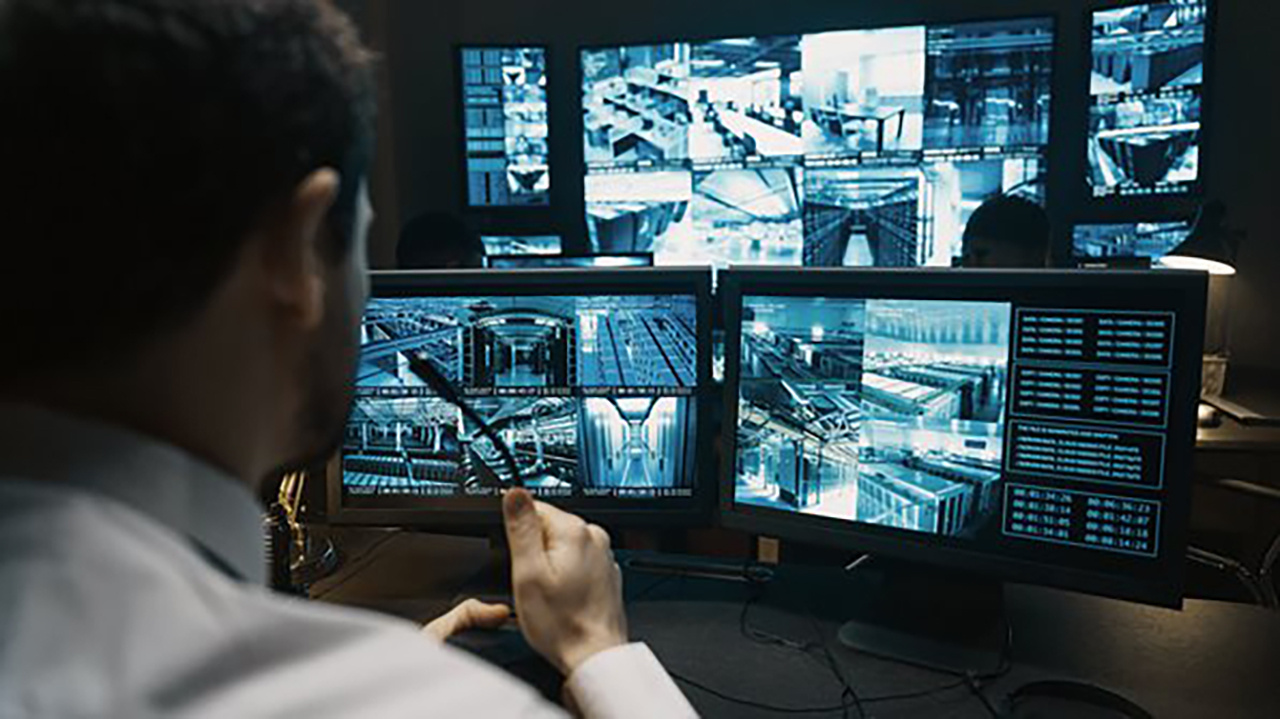
Technology advances are driving the application of IoT in transportation applications that make cities smarter and the city's systems easier to manage, both for fixed and mobile applications.
In fixed applications such as traffic lights, cameras and intersection management, the reliability of cellular networks now rivals traditional wired networks, creating opportunities that did not exist only a few years ago. And it is far less costly to implement.
And for applications such as police, fire, ambulance, bus, light rail and paratransit vehicles, mobile router technology has advanced dramatically in recent years, while networks have improved in both speed and capacity with the rapid growth of 4G networks and the advent of 5G.
As a result of these advances, IoT solutions for transportation meet a growing range of needs, in a variety of operating conditions. In this section, we look at some of the key transportation IoT use cases today.
How Does IoT Improve Traffic Management?
IoT applications for urban traffic management improve both safety and traffic flow and help cities get the maximum value from their infrastructure spending.
What Are the Benefits of IoT in Public Transportation?
Transit IoT applications enable transit agencies to operate more efficiently while improving the passenger experience with amenities such as informational signage and passenger Wi-Fi, driven by connected systems and high-speed networks.
How Does IoT Support Electric Vehicles and EV Charging?
The number of electric cars and EV charging stations is growing rapidly. The entire EV infrastructure relies on IoT connectivity for user interface functionality, edge computing, payment processing, system maintenance and more.
How Is IoT Used in Railways?
IoT solutions support both light rail and heavy commercial rail systems, and Digi is leading the way with high-performance 5G mobile access routers for reliable and secure high-speed communications and geo-positioning, even in tunnels and urban canyons.
How Does IoT Work in Trucking, Logistics and Fleet Management?
Integrated sensors and high-speed cellular routers enable fleet managers to track vehicle analytics, reduce the need for truck rolls, and automate processes to save operational costs, including the monitoring and reporting of truck refrigeration.
IoT in Transportation Use Cases and Examples
Let's look at some examples of IoT in transportation in more detail.
What Are Some Examples of IoT in Traffic Management?
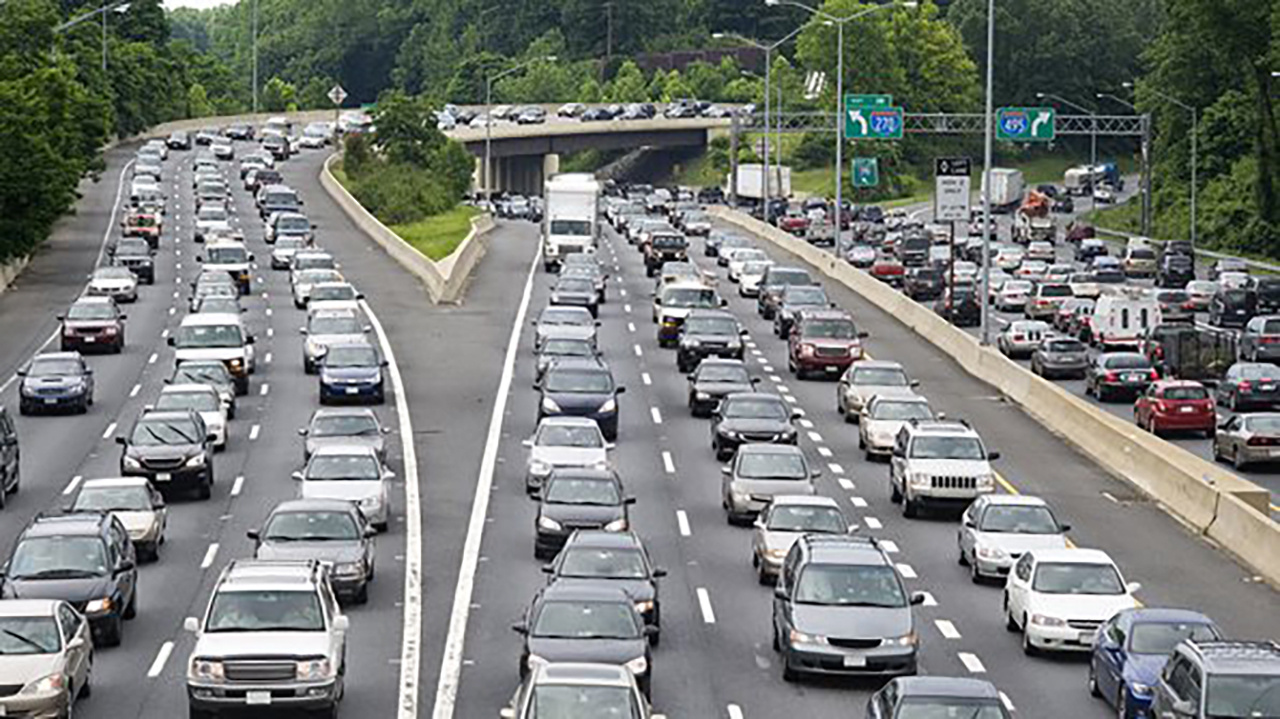
Intelligent Transportation Systems (ITS), also called Smart Traffic Management Systems (STMS), connect sensors, cameras and other traffic monitoring technology with traffic control systems such as traffic lights, dynamic messages boards and in-vehicle communication and warning systems.
Here are some of the problems that IoT for traffic management can address:
- Congestion: Traffic jams waste both time and fuel, as streets and roads built more than a century ago are forced to carry unprecedented volumes of traffic.
- Safety: The majority of collisions occur at intersections, where better signal control could create smoother, safer, more predictable traffic flow.
- Pollution: Motor vehicle emissions can be reduced significantly by traffic management systems that enable cars and trucks to spend less time idling in traffic.
- Emergency response: Emergency vehicles including police, fire and ambulance need to take priority regardless of the traffic conditions.
Here are some of the use cases that successfully incorporate IoT for traffic management.
Traffic Management in the Nation's Busiest Urban Environment
New York City is one of the most dense urban environments in the world, with traffic signals located at thousands of intersections. All of these signals need to be coordinated in real time to provide a smooth, safe flow of traffic at all hours of the day or night in the "city that never sleeps."

When New York recently needed to upgrade connectivity on more than 14,000 traffic signals, it chose Digi dual cellular transportation routers for use at each intersection, along with the Digi Remote Manager platform for device configuration and management. Once deployed, the city's Department of Transportation was recognized as the Outstanding ITS Project of the Year – Traffic Management Systems by the Intelligent Transportation Society of New York (ITS-NY) for the project. The New York City Wireless Infrastructure Network (NYCWIN) provides a citywide communication backbone to all ITS devices, including traffic cameras, variable message signs (VMS), vehicle detection devices and more.
FirstNet Capable™ to Enhance Emergency Preparedness

FirstNet® is a nationwide wireless network that delivers priority, pre-emptive communications for first responders and critical infrastructure in case of a large-scale emergency, such as a hurricane, wildfire or other event that affects an entire city or region.
FirstNet Capable™ devices such as Digi TX65 5G cellular routers, support critical voice, text and data communications whenever a spike in civilian cell phone use could jam cellular networks, preventing dispatchers and first responders from communicating with each other.
What Are Some Examples of IoT in Public Transportation?

IoT solutions are used in a multitude of transit applications for bus, light rail and paratransit. IoT solutions provide the connectivity for multiple systems:
- Routing and dispatch
- Vehicle engine monitoring
- Real-time security cameras
- Passenger Wi-Fi
- Digital signage
Here are some examples of the capabilities and benefits of IoT for transit.
Transit Capacity Monitoring and Management
The Chicago Transit Authority (CTA), facing unprecedented variations in ridership levels because of the Covid pandemic, embraced innovative IoT solutions in a pilot program along one of its busiest bus routes. The CTA used a variety of passenger-counting technologies together with sophisticated analytics and predictive modeling for proactive demand management.
Every bus in the pilot was outfitted with a Digi mobile access router to communicate with onboard occupancy sensors and systems. Data was analyzed to create projection models for proactive transit demand management. The routers themselves were monitored and managed using Digi Remote Manager, Digi's cloud-based networking platform. Digi Remote Manager provided complete visibility across all devices through visual dashboards of performance and status metrics.
Passenger Ticketing and Information System
 Secure, convenient ticketing is vital to the success of any transit system. Digi has several customers that develop IoT applications in this space. For example, TransData is an IoT systems integrator that develops payment and identification applications for public transit in Slovakia. TransData ticketing and information systems require superior video performance, Wi-Fi and Bluetooth, and connectivity to the transit vehicle's data system and cellular modems. The company's flagship product is a multi-faceted solution that supports a broad range of capabilities, including:
- Secure fare transactions
- Easy-to-use electronic card system simplifies passenger experiences
- GPS-tracked route guidance to minimize delays
- Digital signage to promote local shops, restaurants and points of interest
- High-speed passenger Wi-Fi for reliable Internet access
These applications are enabled by the ultra-compact Digi ConnectCore system-on-module (SOM), which supports TransData connectivity requirements at an affordable price. The Digi ConnectCore® 6 can withstand punishing conditions such as extreme heat, humidity and vibration while maintaining reliable network connectivity.
Public Transit System Computer-Aided Dispatch
The Detroit-based Suburban Mobility Authority for Rapid Transit (SMART) operates a metro bus fleet of 330 biodiesel and hybrid-electric buses covering more than 1,100 route miles and carrying 32,000 riders daily. With this large fleet, it is critical to monitor the vehicles in order to ensure the highest levels of passenger safety and on-time performance.
SMART needed to upgrade an aging Computer-Aided Dispatch (CAD) / Automatic Vehicle Location (AVL) system, which was built on a legacy analog radio network connected via three leased towers. SMART first considered migrating from analog to digital and increasing the number of towers, but that approach was cost-prohibitive. Ultimately SMART switched to VOIP on cellular for CAD, taking advantage of the packet priority services built into the newer Digi transportation routers.
With its switch to a cellular-based AVL, SMART can now collect and analyze a much wider range of data and metrics, including vehicle location and speed, in real time. Maintenance data is also captured to help prevent breakdowns and accelerate repair cycles. Data is transmitted to the transit operations center through a highly secure VPN tunnel, while operators can communicate with Central Dispatch using VoIP handsets. Thanks to these upgrades and enhancements, the SMART team estimates that they are saving over $70,000 per year.
Transit Signal Priority: Faster Buses, Greener Cities
Portland's Tri-County Metropolitan Transportation District (TriMet) operates more than 700 buses across 85 routes serving over 500 square miles, and needed a connectivity upgrade to meet its goals. Outdated mobile access routers were failing at higher rates, and TriMet needed new capabilities including electronic fare collection, real-time passenger counting, and published vehicle location data.
TriMet deployed Digi transportation routers across its entire bus fleet, giving each vehicle dual-mode cellular with integrated Wi-Fi and GPS positioning updated every two seconds. The real-time location data feeds TriMet's General Transit Feed Specification (GTFS) stream, powering live bus maps for riders and something more significant: a Transit Signal Priority (TSP) system along the heavily traveled Division Street corridor.
TSP uses vehicle location data to give buses higher priority through signalized intersections, resulting in faster trip times and a better rider experience. The benefits extend beyond scheduling: the transportation sector accounts for about 29% of U.S. greenhouse gas emissions, and TSP can reduce those emissions by up to 14%, which is a meaningful contribution to Oregon's carbon reduction goals. The Division FX project earned TriMet and its partners a 2023 Excellence in Transportation award from the Institute of Transportation Engineers.
All 700+ routers are monitored and managed centrally through Digi Remote Manager, enabling TriMet's team to push firmware updates, edit configurations, and monitor device health across the entire fleet from a single dashboard without rolling a truck. Read the full TriMet case study →
What Are Some Examples of IoT in Electric Vehicles and EV Charging?
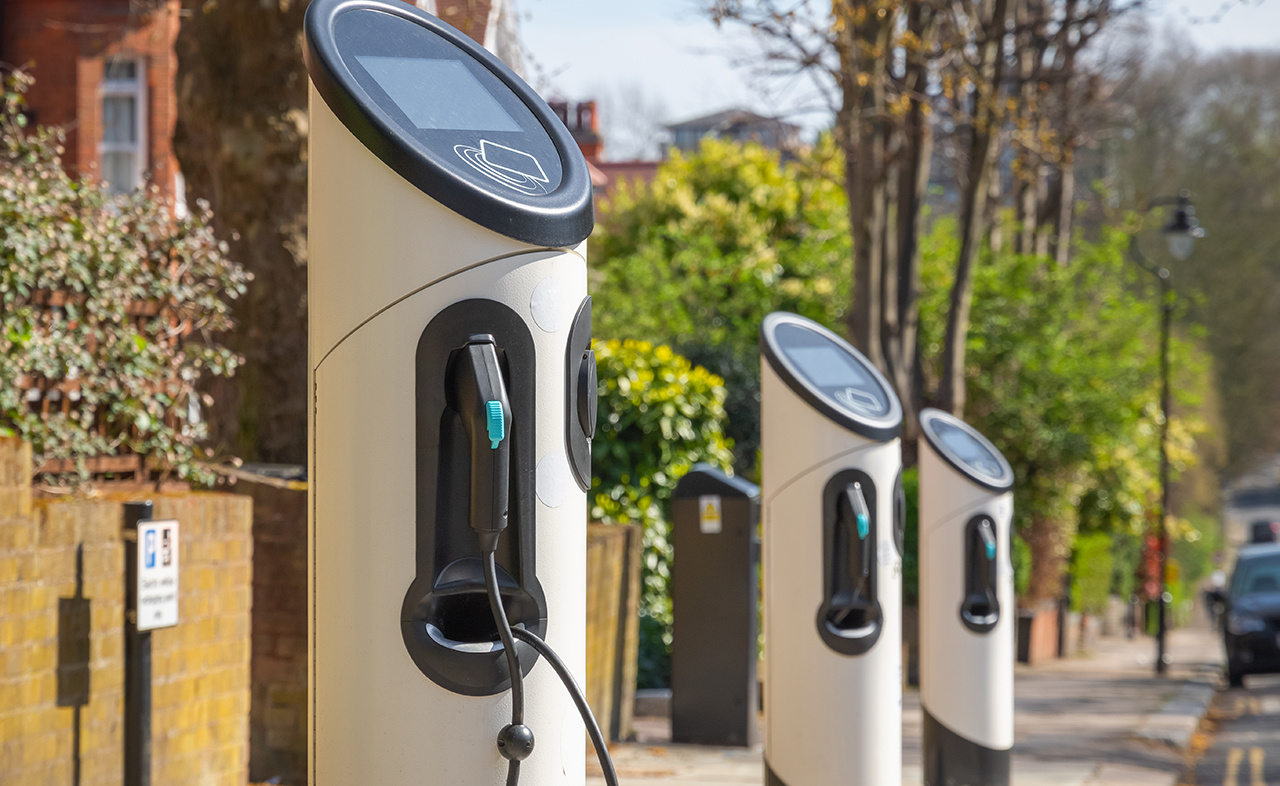
As the world's auto industry shifts over to electric vehicles (EVs) in the coming decades, a dense infrastructure of EV charging stations will grow along with the fleet of new electric cars, buses and trucks. IoT is essential in enabling our EV infrastructure to scale up to meet the demand. We can expect to see EV charging stations built along every major highway. Workplaces, apartment complexes and shopping and entertainment venues will be retrofitted to offer convenient vehicle charging.
EV charging stations will require IoT connectivity for a range of functions. IoT applications will be used to inform drivers who are who are seeking the location of a charging station, to communicate with charging system owners or managers and, of course, for billing and payment purposes. Digi embedded systems will be at the heart of many of these applications.
Flo EV Charging
Flo, a company based in Quebec, Canada, develops, manufactures and operates EV charging stations for public and private sector markets, including infrastructure for the two largest charging networks in Canada, VERnetwork™ and the Electric Circuit. AddÉnergie provides EV drivers and charging station owners with access control, energy management and payment services, including an application to send emails to notify drivers when charging is complete. The solution also provides a preventative maintenance capability for operators, allowing them to monitor every charging station, and in some cases, fix problems remotely.
Flo selected Digi technology, including Digi XBee wireless modules and cellular gateways, for its ability to "communicate in a busy, urban environment." The solution helps provide a seamless user experience and also allows network providers to easily monitor all activity.
Aging City Buses Reborn with IoT
Reborn Electric, an engineering company based in Santiago, Chile, takes diesel-powered buses that have reached the end of their service life and retrofits them with battery-powered electric motors. Converting to zero-emission electric power is a "green tech" solution that greatly extends the life of the vehicles while reducing air pollution in the city. To modernize the vehicles' onboard electronics, Reborn selected the Digi ConnectCore single board computer (SBC), which provides telemetry to monitor vehicle routes, track power consumption and gather data for predictive maintenance.
What Are Some Examples of IoT in Railway Communications?
Train control and real-time communications are critical for railway systems and the IoT applications for this segment of the transportation industry are growing rapidly to serve this mission-critical sector.
GNSS Dead Reckoning
One important capability made possible with IoT is untethered dead reckoning (UDR), which enables far more sophisticated and accurate positioning than is possible with standard GPS. TX64 5G Rail cellular routers include a GNSS dead-reckoning module that uses inertial sensor data to maintain continuity whenever something is blocking the GPS signal, for example, when a vehicle is going through a tunnel or underneath an overpass.
Positive Train Control
The Southern Pennsylvania Transportation Authority (SEPTA), which provides light rail, subway and bus service in and around Philadelphia, was one of the first transit systems to install Positive Train Control (PTC), a sophisticated train-signaling system designed to prevent crashes, derailments and track worker injuries resulting from speed and signal violations.
SEPTA worked with Digi to deploy the right connectivity solution for PTC:
- Digi transportation routers purpose-built for railways
- PTC message routing and wireless communications via a Mobile Communications Package (MCP)
- An integrated, drop-in MCP assembly that houses a Digi router, a 220 MHz TDMA radio, power supply and RF filters
Locomotives and other vehicles use Digi transportation routers that are purpose-built for the railway industry to relay PTC data messages to and from waysides via 220 MHz radio. The Digi TX64 5G railway router enables remote system maintenance, configuration and network management over a cellular link, providing increased network reliability and rail system visibility. The SEPTA system extends performance beyond PTC toward full Communications-Based Train Control (CBTC), resulting in more efficient scheduling, greater capacity and fuel savings.
Download our PTC White Paper
Learn more about the growing role of cellular in meeting the PTC mandate
Download PDF
What Are Some Key Emerging Technologies in Transportation IoT?
Transportation is ever changing, as the industry adopts technologies that improve fleet-wide or city-wide visibility, safety for passengers, operators and pedestrians, traffic flow, emergency response and mobility. Here are some of the key developments.
AI-Driven Transportation Systems
 Artificial intelligence is rapidly moving from a future aspiration to an operational reality in transportation. and the connectivity infrastructure Digi provides is what makes it possible. AI applications in transit today range from demand-responsive scheduling and dynamic route optimization to predictive maintenance that flags vehicle issues before they cause a breakdown.
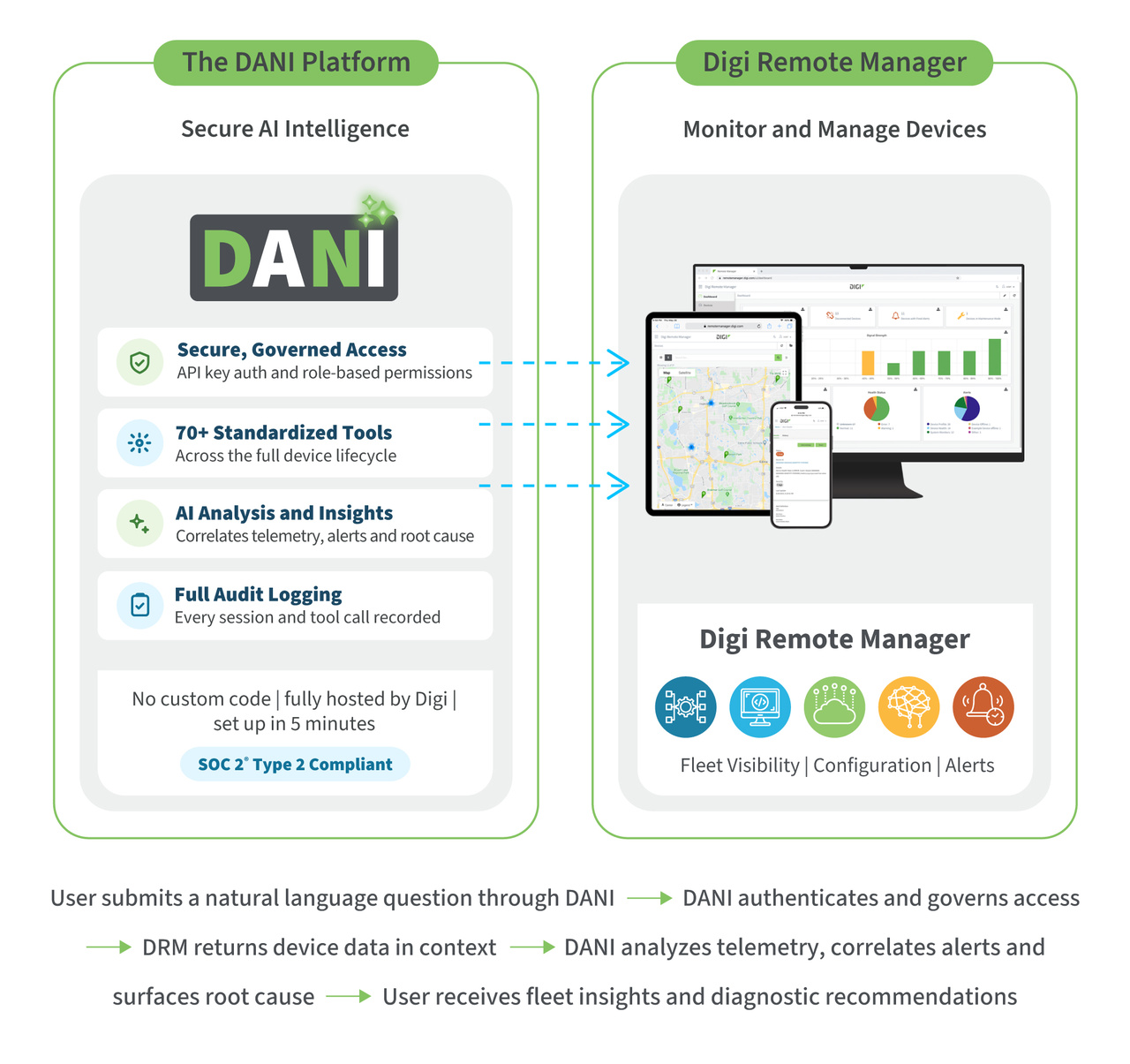
For transit agencies managing large fleets across distributed networks, Digi has taken this a step further with DANI (Digi Artificial Network Intelligence) — the first AI agent natively embedded in an industrial IoT device management platform. Built directly into Digi Remote Manager, DANI gives transportation operations teams the ability to query their entire connected fleet in plain language: asking which vehicles have connectivity issues, identifying devices with outdated firmware, or diagnosing why a specific router went offline — all without scripts, dashboards, or manual log review.
For agencies managing hundreds or thousands of connected buses, trains, signals, and roadside devices, this shift from reactive troubleshooting to AI-driven proactive network management represents a meaningful operational leap. As AI-powered transit optimization continues to mature, the reliable, high-bandwidth cellular connectivity that Digi provides remains the essential data pipeline that feeds these systems in real time.
V2X: Vehicle-to-Everything Communication
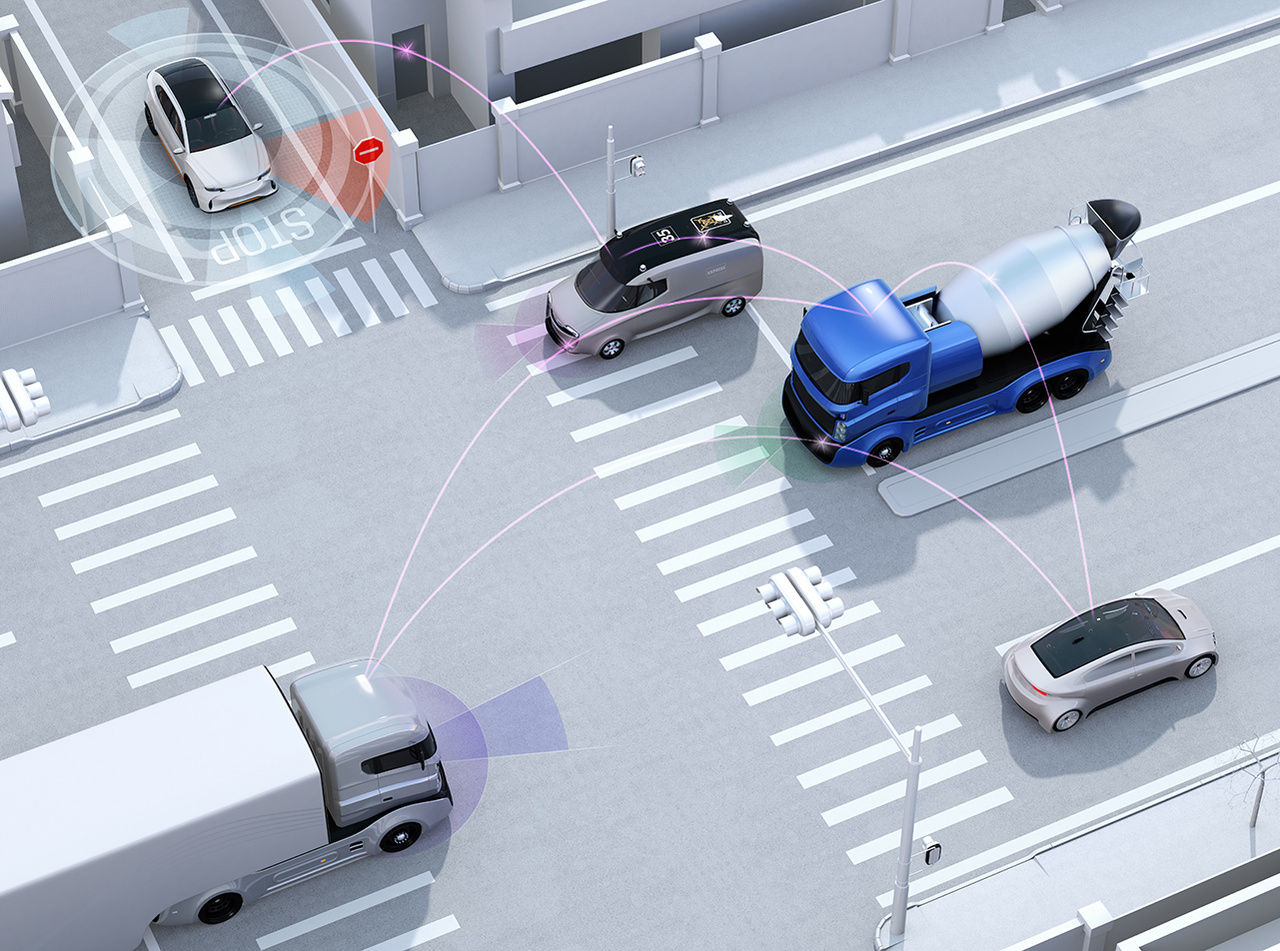 Vehicle-to-Everything (V2X) communication is one of the most consequential emerging technologies in transportation, and one of the most frequently searched topics as transit planners, smart city engineers, and automotive developers look for connectivity guidance.
V2X is an umbrella term for wireless communication between a vehicle and any entity that may affect or be affected by it: other vehicles (V2V), road infrastructure like signals and signs (V2I), pedestrians and cyclists (V2P), and broader cellular networks and cloud platforms (V2N).
The practical payoff is significant. The U.S. NHTSA estimates that V2V communication alone could prevent more than 439,000 crashes per year. At its core, V2X depends on the same low-latency, high-reliability cellular connectivity that Digi has been delivering to transportation infrastructure for decades.
The connected traffic signal deployments Digi supports today, including New York City's 14,000+ intersection network, are already a form of V2I infrastructure, enabling vehicles and city systems to share real-time data. As 5G networks extend coverage and reduce latency below the thresholds required for safety-critical V2X applications, Digi's 5G transportation routers and connected vehicle technology position transit agencies and city planners to participate in this next generation of intelligent transportation without replacing the infrastructure investments they've already made.
5G Network Slicing
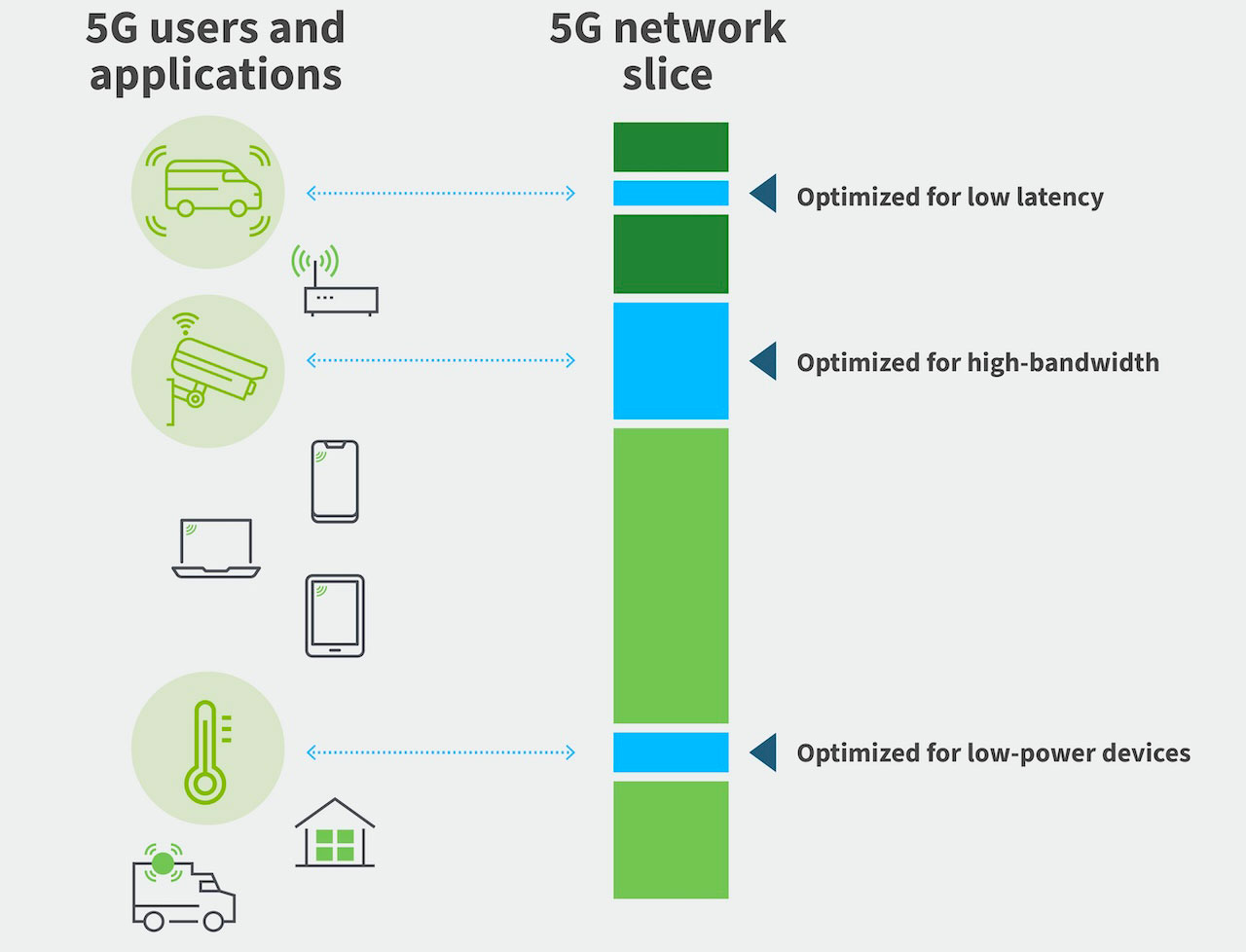 One of the most consequential and least understood advances in transportation connectivity is 5G network slicing. Rather than sharing a single undifferentiated cellular pipe for all vehicle systems, network slicing allows carriers to create multiple virtual networks on top of a single physical 5G infrastructure, each tuned to a specific performance requirement.
For a transit bus, this means safety-critical CAD/AVL data and Positive Train Control signals can travel on a dedicated low-latency, high-reliability slice, while passenger Wi-Fi runs on a separate slice, with neither competing for the same network resources.
Traffic management systems in smart cities can similarly isolate signal control data from surveillance video backhaul, ensuring that congestion on one stream never degrades the other. Digi DAL OS routers now support 5G multi-slicing natively, allowing up to eight slices per SIM and routing different traffic types simultaneously, all manageable through Digi Remote Manager without complex SD-WAN overlays or multiple SIM cards. As 5G Standalone networks continue to mature and more carriers bring commercial slicing online, this capability positions transportation agencies to run more traffic types over a single connected device, with each type receiving exactly the performance guarantee it requires. Learn more about 5G network slicing and how Digi supports it →
Why Digi for Transportation IoT?
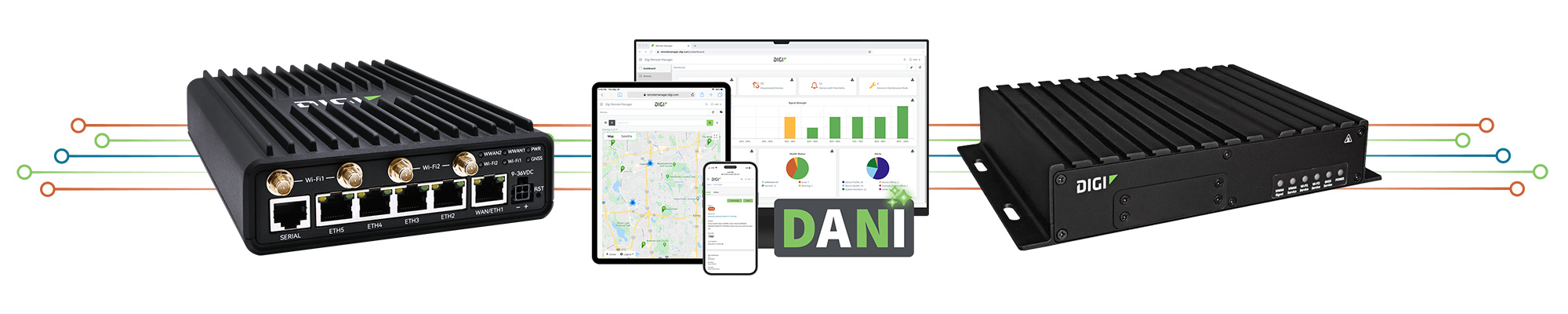
Transportation agencies choose Digi because the technology works — in the field, at scale, over the long haul. With more than 40 years of connected device experience, Digi has become one of the most widely deployed IoT connectivity providers in transportation, with deployments ranging from NYC's 14,000+ signalized intersections to bus fleets in Portland, Pittsburgh, Detroit, and beyond.
The proof is in the outcomes. Detroit's SMART transit agency saves over $70,000 annually after modernizing its fleet with Digi cellular routers. TriMet's award-winning Transit Signal Priority project, which can reduce transit-related CO2 emissions by up to 14%, runs on real-time vehicle location data delivered every two seconds by Digi transportation routers. Pittsburgh Regional Transit has deployed Digi across 700+ buses and 7,000+ stops, delivering 62 million rides a year with real-time scheduling, passenger Wi-Fi, and PCI-compliant fare collection, all managed from a single pane of glass via Digi Remote Manager.
Digi transportation routers are purpose-built for the harshest mobile environments: extreme temperatures, shock, vibration, and the continuous power cycles of transit operations. Transit agencies consistently report that routers outlast bus lifecycles and move to new vehicles without reconfiguration. And for agencies that need to customize their connectivity platform, Digi Advanced Linux and Python app support allow deep integration with CAD/AVL, fare collection, and signage systems.
For transportation IoT, Digi offers not just hardware, but a full ecosystem: hardware, cloud management, professional services, and a track record of helping agencies meet federal mandates, win industry awards, and measurably improve both operations and the rider experience.
In addition, Digi has expert teams ready to provide guidance, planning, and design or deployment services. Digi Wireless Design Services provides support to developers and OEMs who are designing and building products and need experts to support their prototyping, PCB layout, antenna design and go-to-market needs. The Digi Professional Services team supports governments, transportation agencies and other organizations who are planning network connectivity and infrastructure upgrades to transform their operations.
For more information about Digi IoT solutions for transportation, contact us today.
Frequently Asked Questions About IoT in Transportation
What is the importance of IoT in transportation?
IoT in transportation is the use of Internet-connected devices, including sensors, routers, cameras, and software, embedded in vehicles and infrastructure to collect and transmit real-time data. This enables smarter traffic control, fleet management, passenger services, and safety systems across road, rail, and transit networks.
What are the main use cases for IoT in transportation?
The primary IoT applications in transportation include: Intelligent traffic management systems (adaptive signals, congestion monitoring), public transit operations (dispatch, ridership counting, passenger Wi-Fi), electric vehicle charging network management, railway communications and Positive Train Control (PTC), and fleet telematics for trucking and logistics.
How does IoT improve public transit systems?
IoT improves public transit by enabling real-time vehicle tracking, automated dispatch, onboard passenger counting, predictive maintenance, secure fare collection, and high-speed passenger Wi-Fi. Transit agencies can monitor entire fleets remotely, reduce downtime, and improve on-time performance, all through centralized platforms like Digi Remote Manager.
What is Positive Train Control (PTC) and how does IoT enable it?
Positive Train Control is a federally mandated safety system that automatically stops or slows trains to prevent collisions, derailments, and signal violations. IoT enables PTC by providing the wireless communications backbone using cellular routers and 220 MHz radio that continuously relays train position, speed, and signal data between locomotives, wayside equipment, and control centers.
How is IoT used in EV charging infrastructure?
IoT connects EV charging stations to central management platforms, enabling remote monitoring, fault detection, energy management, access control, and payment processing. Operators can identify and often resolve issues remotely, while drivers receive real-time availability data and charging completion notifications through connected apps.
What connectivity technology is used for IoT in transportation?
Transportation IoT deployments rely on a combination of cellular (4G LTE and 5G), Wi-Fi, GPS/GNSS, and low-power radio protocols. Cellular routers are the most common backbone technology for mobile assets like buses, trains, and emergency vehicles, while fixed infrastructure like traffic signals may use cellular or fiber backhaul. 5G is increasingly adopted for high-bandwidth, low-latency applications.
What is a transportation IoT router and what makes it different from a standard router?
A transportation-grade IoT router is purpose-built to withstand the harsh physical and environmental conditions of mobile deployments, which include extreme temperatures, shock, vibration, and power fluctuations. Unlike commercial routers, they include features like dual-SIM cellular failover, FirstNet compatibility, GPS/GNSS positioning, hardware-level encryption, and remote management capabilities. Digi's TX65 and TX64 5G Rail routers are examples designed specifically for these environments.
How does IoT help with traffic congestion and urban mobility?
IoT-enabled Intelligent Transportation Systems (ITS) use real-time data from connected sensors, cameras, and signals to dynamically adjust traffic signal timing, reroute vehicles, and prioritize emergency responders. Cities like New York have deployed connected infrastructure across tens of thousands of intersections to reduce idling, lower emissions, and improve traffic flow.
Is IoT in transportation secure?
Security is a critical design requirement for transportation IoT. Modern deployments use hardware-based encryption, VPN tunnels for data transmission, secure boot, and centralized device management to protect against cyber threats. Regulatory frameworks like FirstNet for public safety and FRA mandates for rail further define security baselines that certified products must meet.
How do I get started with IoT for a transportation or transit project?
The first step is defining the specific operational problem to solve, whether that's fleet visibility, signal connectivity, passenger Wi-Fi, or safety compliance. From there, working with an experienced IoT connectivity vendor like Digi International provides access to certified hardware, managed device platforms, and professional services teams who can assist with network design, deployment, and ongoing support.
Note: This blog was initially published in 2018. It was updated in 2022 and again in 2026.