The “grid” is the electrical network serving every resident, business and infrastructure service in a city. The “smart grid” is the next generation of those energy systems, which have been updated with communications technology and connectivity to drive smarter resource use, energy efficiency, and reduced carbon footprint.
The technologies that make today’s IoT-enabled energy grid “smart” include wireless devices such as sensors, radio modules, gateways and routers. These devices provide the sophisticated connectivity and communications that empower consumers to make better energy usage decisions, allow cities to save electricity and expense, and enables power authorities to more quickly restore power after a blackout.
The growing trend today is for municipalities to move toward smart grid technologies for a range of reasons. These include the need to improve energy usage, provide better customer service to their citizens, prepare for disasters and upgrade aging technology that is expensive to maintain. As well, advances in technology have made wireless, both cellular and RF (radio frequency), affordable and easy to use in smart grid applications.
According to
Scientific American there are 200,000 miles of high voltage transmission lines in the United States that collectively carry more than one million megawatts of electricity. The problem for the U.S. is that a lot of this infrastructure was built in the twentieth century in a multi-billion dollar project conceived and executed largely before the invention of the Internet, and certainly before cellular and other wireless technologies emerged as viable replacements of expensive cable.
Quick Answers:
- Smart grid definition: A smart grid modernizes the electrical grid by adding two-way digital communications, sensors, and automated control to improve reliability, efficiency, resilience, and renewable integration.
- IoT’s role: IoT devices (smart meters, sensors, gateways, routers) collect and transmit real-time operational data so utilities can automate outage response, optimize energy distribution, and support demand response and distributed energy resources.
Learn more about Digi’s smart grid solutions designed to enable secure monitoring and management of grid assets at scale.
How Does a Smart Grid Differ from a Traditional Grid?
To understand why smart grids matter, it helps to compare them to traditional power grids — and see what changes when two-way data and automation are introduced.
| Feature |
Traditional Grid |
Smart Grid |
| Data flow |
One-way |
Two-way |
| Outage response |
Manual |
Automated rerouting + alerts |
| Metering |
Analog / estimated |
Smart meters + real-time |
| Renewable integration |
Limited |
Designed for DERs |
| Customer insight |
Low |
High (pricing + demand response) |
Key Components of a Smart Grid (and Where IoT Fits)
A smart grid combines connected devices, communications networks, and software platforms to monitor and manage electricity generation, distribution, and consumption in near real time. Below are the core components that make smart grid modernization possible.
Smart Meters
Smart meters are digital energy meters that measure electricity usage and transmit data to the utility automatically. They enable remote meter reading, support time-of-use pricing, help detect outages, and provide insight into consumption patterns to improve demand forecasting.
Grid Sensors and Monitoring Devices
Sensors monitor operational conditions across the grid, including voltage, current, frequency, temperature, equipment health, and fault detection. These devices provide the real-time visibility utilities need to predict failures, prevent downtime, and optimize system performance.
Distribution Automation Equipment
Distribution automation devices control and protect grid infrastructure at the edge, including reclosers, switches, capacitor banks, and voltage regulators. By combining automation with sensor data, utilities can isolate faults and reroute power to improve outage response and reliability.
Substation Monitoring and Control Systems
Substations act as critical control points for power distribution. Smart grid solutions often include connected devices and monitoring systems to track transformer performance, detect overheating or unusual load behavior, and support remote diagnostics—reducing manual inspection and improving safety.
IoT Gateways and Industrial Routers
Gateways and routers aggregate and securely transmit data from field devices to utility systems. They often support edge computing, allowing basic analytics or decision-making closer to the source. In smart grids, gateways also play a key role in secure connectivity, protocol translation, and remote device management.
Communications Networks
Smart grids depend on reliable connectivity to move data between distributed assets and utility operations. Common smart grid networking technologies include:
- Cellular (LTE/5G) for wide coverage and scalable deployments
- RF mesh networks for meter-to-meter communication and local resilience
- Wi-SUN® for secure, utility-focused field area networks
- Private LTE for dedicated utility infrastructure and mission-critical performance
Utilities may use a hybrid approach depending on geography, latency needs, and security requirements.
Utility Software Platforms (Analytics Plus Control)
Software systems transform IoT data into operational decisions. These platforms help utilities:
- Monitor grid health and asset conditions
- Forecast demand and plan load balancing
- Manage distributed energy resources (DERs)
- Automate outage detection and restoration workflows
- Support cybersecurity monitoring and compliance
Common platforms include grid analytics tools, SCADA systems, and operational management software (OMS/DMS).
Key Takeaway
Smart grids are powered by connected metering and sensing, automated field devices, secure networking, and analytics-driven operations. Together, these components enable real-time visibility, faster response, and better integration of renewable energy and distributed resources.
How a Smart Grid Works (Step-by-Step)
A smart grid uses IoT devices, secure connectivity, and utility software to monitor grid conditions and automate response in near real time.
- Devices collect data: Smart meters and sensors capture real-time information like usage, voltage, and equipment health
- Data is transmitted: Connectivity (cellular, RF mesh, Wi-SUN, private LTE) moves field data securely to utility systems
- Gateways aggregate and secure: IoT gateways and industrial routers collect local device data, encrypt transmissions, and may support edge processing
- Systems analyze conditions: Utility platforms analyze incoming data to identify outages, risks, inefficiencies, and abnormal patterns
- Automation responds: Grid controls isolate faults, reroute power, and adjust equipment to restore service faster and stabilize performance
- Demand response balances load: Utilities use pricing signals or automation to reduce peak demand and optimize energy distribution
- DERs are integrated: Smart grids coordinate renewables, storage, and EV charging to balance variable supply and demand
- Remote monitoring keeps systems reliable: Utilities can centralize monitoring and lifecycle management using Digi Remote Manager®, helping maintain device security, uptime, and configuration consistency.
Security and Resilience in the Smart Grid
As utilities modernize grid infrastructure, connectivity becomes a major advantage, but also increases the importance of cybersecurity, operational reliability, and resilience planning. Smart grids use a combination of secure devices, encrypted communications, and centralized monitoring to help protect critical infrastructure and maintain service continuity.
Why Security Is Critical in IoT-enabled Smart Grids
A smart grid connects thousands (or millions) of field devices—such as smart meters, sensors, and automation equipment—across large geographic areas. Protecting these connected endpoints helps utilities reduce the risk of:
- Unauthorized device access
- Data manipulation or interception
- Service disruption from cyberattacks
- Outages caused by physical damage or extreme weather
Core Security Controls Used in Smart Grid IoT Deployments
Smart grid security is typically built around layered protections, including:
- Device identity and authentication: Ensure only authorized devices and users can access systems and networks
- Encrypted communications: Protect data in transit using encryption protocols such as TLS and VPN-based methods
- Secure boot and firmware integrity: Prevent tampering by ensuring devices only run trusted firmware and verify software integrity at startup
- Remote patching and lifecycle management: Keep devices updated with security patches and reduce long-term vulnerabilities across large deployments
- Network segmentation and access control: Isolate operational technology (OT) networks to limit exposure and reduce lateral movement risk
- Continuous monitoring and anomaly detection: Detect unusual device behavior, traffic patterns, or unauthorized access attempts early
How Smart Grids Improve Resilience
Smart grids enhance resilience by combining real-time visibility with automation, enabling faster response during disruptions such as storms, equipment failures, or cyber incidents. Key resilience advantages include:
- Faster fault detection and isolation
- Automated rerouting of power (where supported)
- Improved situational awareness across grid assets
- More efficient crew dispatch and restoration planning
- Better integration of distributed energy resources (DERs) during supply disruptions
For remote smart grid assets, solutions like the Digi IX30 industrial router help deliver secure and reliable connectivity.
Smart Grid Use Cases: How Utilities Use IoT in the Field
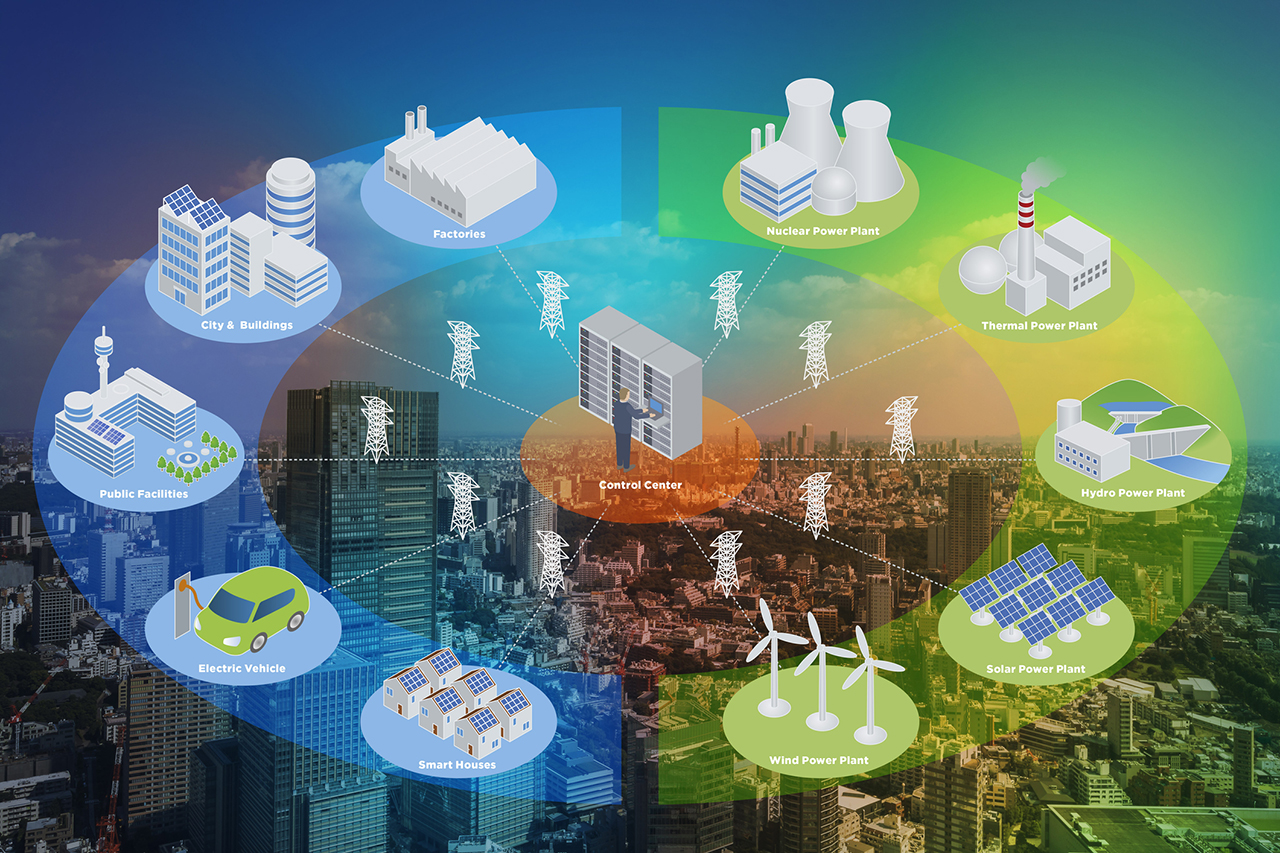
Smart grids enable a wide range of real-world applications — from more accurate billing to faster outage response. Below are common ways utilities apply IoT to modernize grid operations and improve reliability.
Smart Metering and Usage Visibility
Problem: Traditional meter reading is manual or estimated, and utilities have limited visibility into real-time consumption
IoT solution: Smart meters send usage data automatically over secure networks, enabling accurate measurement and timely reporting
Benefits: Remote meter reading, improved billing accuracy, faster outage detection, and better demand forecasting
Typical devices/connectivity: Smart meters, AMI networks, Digi XBee for Wi-SUN
Outage Detection and Faster Restoration
Problem: Outages can be difficult to pinpoint quickly, especially across wide service areas
IoT solution: Grid sensors and smart meters detect fault conditions and communicate outage events in near real time
Benefits: Faster fault isolation, shorter outage duration, improved crew dispatch accuracy, and better customer communication
Typical devices/connectivity: Line sensors, reclosers, smart meters, gateways/routers, cellular or private LTE backhaul
Distribution Automation and Grid Self-Healing
Problem: Manual switching and reactive maintenance can increase downtime and reduce grid reliability
IoT solution: Connected automation equipment responds to changing conditions, rerouting power and isolating faults automatically
Benefits: Reduced manual intervention, improved reliability, better voltage regulation, and fewer cascading failures
Typical devices/connectivity: Reclosers, switches, voltage regulators, IoT gateways, secure communications networks
Substation and Transformer Monitoring
Problem: Transformers and substations are costly assets, and failures can cause long outages and expensive repairs
IoT solution: Sensors monitor equipment health indicators such as temperature, vibration, load, and power quality metrics
Benefits: Predictive maintenance, reduced unplanned downtime, longer asset lifespan, and safer operations
Typical devices/connectivity: Condition monitoring sensors, substation RTUs, industrial routers, wired + cellular backhaul
Demand Response and Peak Load Management
Problem: Peak demand strains infrastructure and can increase operating costs
IoT solution: Smart meters and utility systems support time-based pricing and automated load reduction programs
Benefits: Reduced peak load, fewer outages during high demand, improved efficiency, and avoided capital expansion
Typical devices/connectivity: Smart meters, IoT platforms, customer-side automation, AMI and utility analytics systems
Renewable Energy and DER Integration
Problem: Solar, wind, storage, and EV charging introduce variability and complexity into grid operations
IoT solution: Smart grids coordinate Distributed Energy Resources (DERs) using real-time monitoring, forecasting, and automated controls
Benefits: Better renewable utilization, improved grid stability, reduced curtailment, and more flexible grid operations
Typical devices/connectivity: DER controllers, inverters, monitoring sensors, gateways, utility analytics platforms
Smart City Lighting and Infrastructure Efficiency
Problem: Municipal lighting and infrastructure can waste energy and require frequent maintenance
IoT solution: Connected streetlights and infrastructure sensors adjust output dynamically and report failures automatically
Benefits: Reduced energy usage, faster repairs, better public safety, and lower maintenance costs
Typical devices/connectivity: Smart lighting controllers, motion/daylight sensors, cellular or LPWAN connectivity, centralized management platforms
How Smart Cities Are Adopting Smart Grid Technology
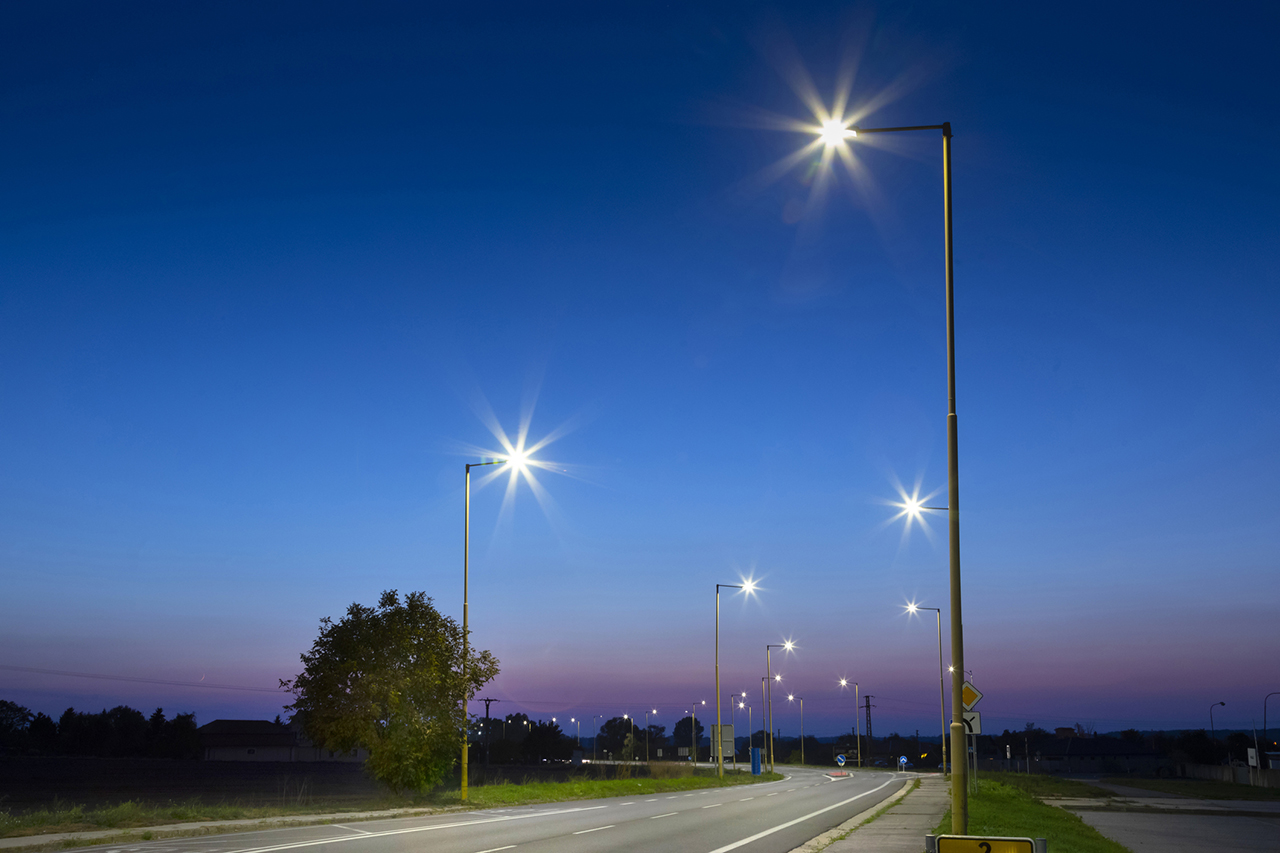
Smart city applications are vast, and include everything from smart city lighting, energy management and intelligent traffic management to water treatment and wastewater management.
Sensors in traffic lights can send information back to a central authority for decision making. Even better, with intelligent traffic systems, both surface traffic and public transportation can be managed with routing and traffic lighting to improve or eliminate congestion.
IoT sensors in streetlights can also adjust off and on timing and brightness according to real time conditions. Plus or minus a few watts might not sound like much. However, when considering the thousands or tens of thousands of streetlights that can be found in any given city, the savings and environmental impact quickly add up. Those same sensors can also send out an alert if a light needs servicing. No need to wait for a call from an angry customer complaining about street lights being out.
Additionally, with a sophisticated remote management solution, technicians can remotely troubleshoot the issue and determine whether or not to send a truck. In the past, a truck roll – a highly expensive proposition compared to a fast firmware fix or reboot from a management system in the home office – was inevitable.
Smart meters enable demand response which lets home and business owners see real time pricing information so that they can adjust their energy usage accordingly. For example, switching off the AC, or turning down the thermostat in winter. Most of all smart meters will benefit electric car owners. With real time pricing information EV owners will be able to charge their cars when electricity is the cheapest and avoid charging, if possible, during times of peak demand.
Top Benefits of Smart Grid Technology

While there are numerous benefits to smart grid the following three instances show just how useful an updated power grid can be.
1. Smart Grid Enables Renewable Energy Generation
Traditional energy grids are designed to transmit electricity from a large, centralized power station to a wide network of homes and businesses in the area. At this stage, the electric grid is not designed to accept inputs from homes and businesses that are generating power via solar panels or windmills. A smart grid is designed to accept power from renewable resources.
Crucially, the smart grid in conjunction with wirelessly enabled smart meters can keep track of how much energy a net-positive establishment is generating and reimburse them accordingly. The smart grid also allows for monitoring of solar panels and equipment as well.
We mentioned earlier that a smart grid can mitigate the effects of a disaster such as a terrorist attack or natural disaster on a power station, a feat that’s possible due to decentralized energy generation. Under the traditional model, a small number of power plants powered a city. This left these services vulnerable to threats that would result in widespread blackouts and energy shortages. With a decentralized model, even if the centralized power plant is taken offline, multiple alternative sources, including wind and solar, can supplant the resources in the grid. This decentralized system is much harder to take offline and can provide a robustness that’s not possible when one plant is powering an entire city.
Get Our Brief
Learn about green tech applications and solutions
Download PDF
2. Better Billing, Better Predictions
Smart meters offer two benefits. First, via wireless IoT devices they can collect a tremendous amount of data, data that utility companies have never had access to before. Utilities can use that information to better forecast when electricity demands will be high and from what areas the demand will be highest.
Second, for consumers the smart grid means more efficient billing. Previously the costs of electricity during peak demand were averaged out among communities and neighborhoods. Now, if you use electricity while rates are high you’ll be billed for it. And if you turn off appliances and save electricity, your bill will drop accordingly. This increases the incentive for everyone to use electricity responsibly.
3. Smart Grid Is More Resilient
A US DOE (Department of Energy) report suggests that every year power outages in the United States cost businesses about $150 billion. While that’s only an estimate, even if only $50 billion a year lost these outages are a problem which must be solved.
With smart grid technology, power can be automatically rerouted as soon as a blackout happens, minimizing the effects on households and businesses. IoT sensors can also report on the condition of equipment so that repairs can be made before failure. Utilities can notify their customers (via email/social media) when there is an outage instead of reactively responding to customer calls reporting outages.
The Smart Grid as the Backbone of the Modern Smart City
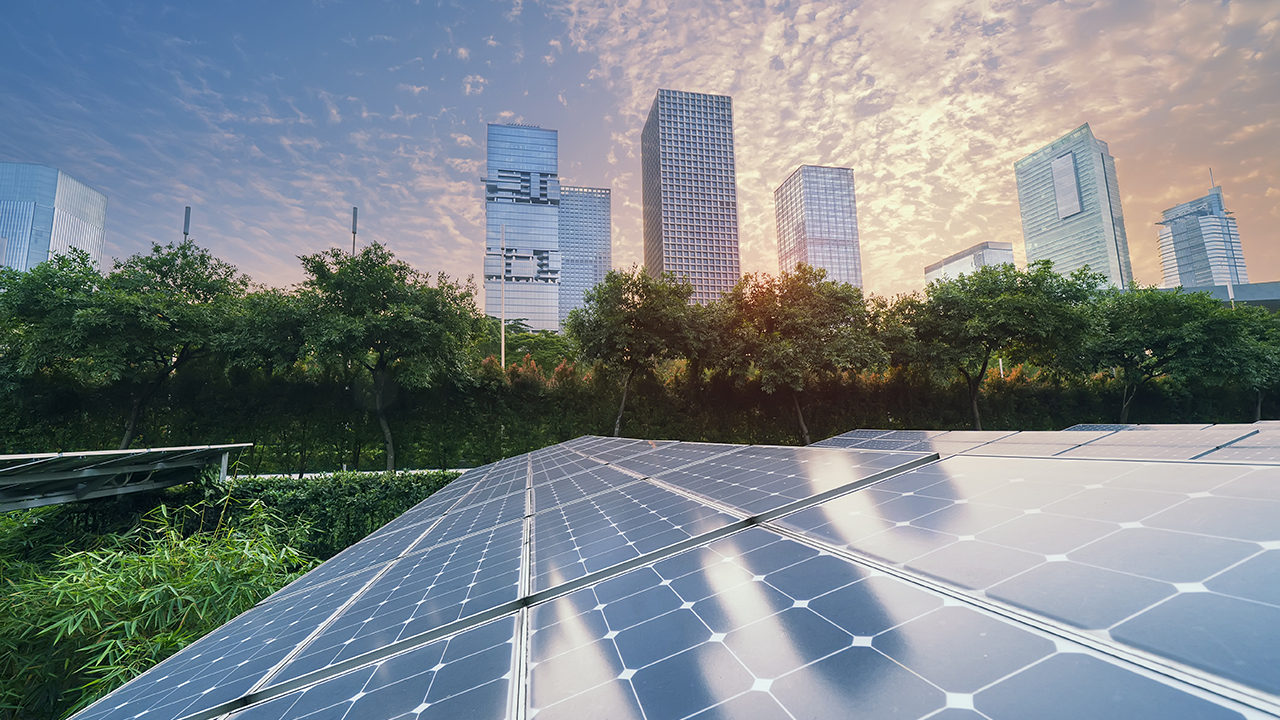
According to the Solar Energy Industries Association, by 2018 the United States had enough solar panels installed to power 12.3 million American homes. Since 2013, solar energy has always been either the first or second most added energy source in the US, in terms of total generation capacity. Cities are becoming increasingly aware of how important it is to generate electricity from renewable sources and supporting all of that energy generated from renewable methods requires the smart grid. An updated power grid will also become all the more essential as more households purchase an electric car that must be charged.
Smart Grid for the Future
Smart grid technology can be expressed in a single sentence: a new electric grid with two way communication. For the first time, businesses and consumers can get real time billing information while utility companies can better meet the needs of their customers as they react to demand spikes and fix or manage blackouts and other challenges. Smart grid is resilient, efficient and green which is good for the consumer, the utility company and the environment. Wireless technology will replace thousands of miles of cable that would have been needed to advance the smart grid to where it is today.
Digi can support your smart city in adopting smart grid technologies. We have a wide range of secure, robust solutions that include industry-leading hardware, software and remote monitoring and management capabilities that meet the mission-critical needs of utilities:
Additionally our Professional Services team provides engineering support to organizations that need assistance with IoT planning and deployment, and Digi Wireless Design Services helps OEMs that need engineering support for product design and certification.
Smart Grid and IoT FAQ
What is a smart grid?
A smart grid is a modernized electrical grid that uses digital communications, sensors, and automation to monitor, predict, and manage electricity supply and demand in near real time. Smart grids improve reliability, efficiency, resilience, and renewable energy integration compared to traditional one-way power grids.
How does IoT enable the smart grid?
IoT enables the smart grid by connecting devices like smart meters, sensors, and distribution automation equipment to communications networks. These connected devices continuously collect and transmit operational data, allowing utilities to detect issues faster, automate grid response, optimize load balancing, and support demand response programs.
What is the difference between a traditional grid and a smart grid?
A traditional grid primarily delivers electricity in a one-way flow, with limited monitoring and manual response to outages or equipment failure. A smart grid supports two-way communication, providing real-time visibility into grid conditions and allowing automated control systems to improve outage response, system efficiency, and distributed energy integration.
How do smart meters work?
Smart meters measure electricity consumption digitally and send usage data to the utility over a communications network (such as cellular, RF mesh, or Wi-SUN). Unlike analog meters, smart meters can support remote meter reading, detect outages automatically, enable time-of-use pricing, and help utilities manage demand more efficiently.
What is Advanced Metering Infrastructure (AMI)?
Advanced Metering Infrastructure (AMI) is the system that connects smart meters with utility operations. AMI typically includes the meter hardware, the communications network, and software platforms that collect and analyze meter data. AMI supports capabilities like remote billing, outage detection, demand response, and load forecasting.
What is demand response and how does it work?
Demand response is a strategy utilities use to reduce electricity demand during peak periods. It works by sending signals — such as time-based pricing or automated load control — to encourage customers to lower energy use. IoT-enabled smart grids make demand response more effective by providing real-time usage visibility and enabling automated participation.
What are Distributed Energy Resources (DERs) and why do they matter?
Distributed Energy Resources (DERs) are energy sources located close to where electricity is used, such as solar panels, wind systems, battery storage, and electric vehicles. DERs matter because they can reduce strain on the grid and support resilience, but they also add complexity. Smart grids use IoT data and automation to integrate DERs safely and efficiently.
What wireless technologies are used in smart grids?
Smart grid communications often use a mix of technologies depending on coverage, cost, and reliability needs. Common options include cellular (LTE/5G), RF mesh networks, Wi-SUN, and private LTE. Utilities may combine these with fiber or Ethernet backhaul to support grid monitoring, AMI, and distribution automation.
How does IoT improve grid reliability and outage response?
IoT improves reliability by providing real-time monitoring of grid assets and automated fault detection. Sensors can detect failures quickly, while connected systems can reroute power, dispatch crews efficiently, and restore service faster. Smart meters can also verify outages instantly, improving the utility’s ability to respond accurately.
What are the main benefits of a smart grid?
The main benefits of smart grids include:
- Improved reliability through faster fault detection and outage restoration
- Increased efficiency by optimizing distribution and reducing losses
- Lower operational costs through automation and remote monitoring
- Better renewable integration by managing variable energy supply
- Improved customer experiences through accurate usage data and flexible pricing
What are the biggest security concerns for IoT in smart grids?
Smart grid IoT security concerns include device authentication, secure data transmission, and protection against unauthorized access. Utilities typically rely on encryption, secure boot, remote patching, network segmentation, and centralized device management to reduce risk and maintain grid resilience.
Why is smart grid technology important for renewable energy?
Renewables like solar and wind are variable, meaning supply fluctuates with weather and time of day. Smart grids help balance this variability by using IoT sensors, automation, and analytics to coordinate energy flows, integrate storage, and support DERs — making renewable power more reliable and scalable.
Next Steps
This blog post was originally posted in April of 2020, and was revised in November of 2023 and again in February 2026.